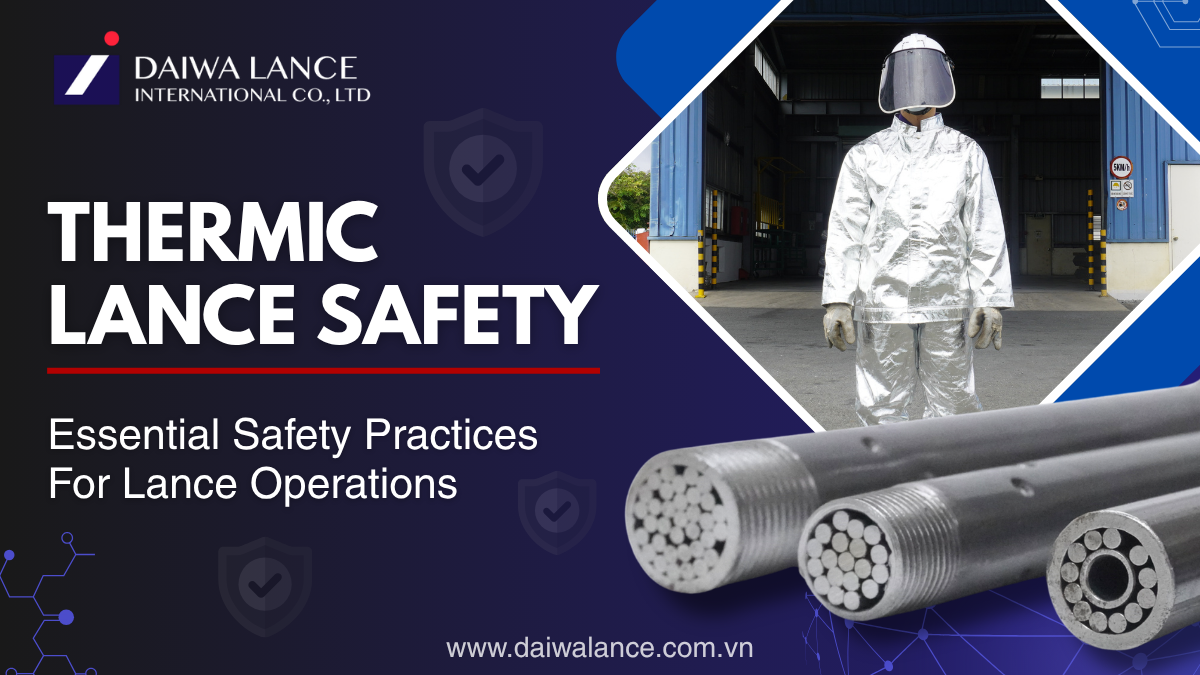
Thermic lance safety starts with understanding what the product does during operation. A thermic lance, also referred to in many markets as a burning bar, is a consumable steel pipe filled with steel wires or a mixture of wires and an inner pipe. Once the tip is ignited and oxygen is supplied, it produces an extremely high-temperature flame for cutting, boring, and breaking up hard materials. Because the process depends on oxygen-fed combustion, thermic lance safety is never only about PPE. It also depends on oxygen control, operator position, work-area discipline, and safe handling from ignition to shutdown.
That is why thermic lance safety should be treated as part of the operating method, not as a short note added after the cutting plan is already set. In field work, the risk usually comes from several factors happening together: heat, sparks, molten metal, falling hot material, oxygen leakage, poor footing, weak ventilation, or unsafe replacement timing as the lance becomes shorter during use.
This article provides general manufacturer-level guidance for thermic lance safety and burning bar safety in industrial work. It should be used together with the site’s own hot-work permit system, internal SOP, local regulations, and supervisor instructions. Those site-specific controls always take priority.
Why Thermic Lance Safety Requires Task-Specific Control
A thermic lance does not behave like an ordinary hand tool. It keeps burning while oxygen flows through it, and the usable length becomes shorter during the job. As that remaining length decreases, the operator’s distance to the heat source changes, handling balance changes, and the safe working margin becomes smaller. That is one reason thermic lance safety precautions need to be more specific than a generic hot-work checklist.
Product structure also matters. Daiwa Lance materials show that thermic lance is supplied in different constructions, including Type T and Type W. Type T uses steel wires together with an inner pipe, while Type W is fully packed with steel wires. Different structures, sizes, and connection methods affect oxygen flow, flame behavior, burn pattern, and handling. For safe work, the correct type, size, and connection method should be confirmed before ignition rather than treating every lance as interchangeable.
The oxygen arrangement is another control point. The pressure of oxygen should be 8-12 bar by oxygen regulator for standard operation. If the regulator setting is unstable, if the hose or coupling leaks, or if the holder is not tightened correctly, both safety and cutting performance can deteriorate quickly.
Essential PPE for Thermic Lance Safety
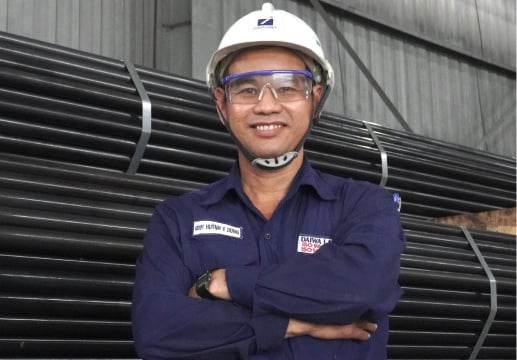
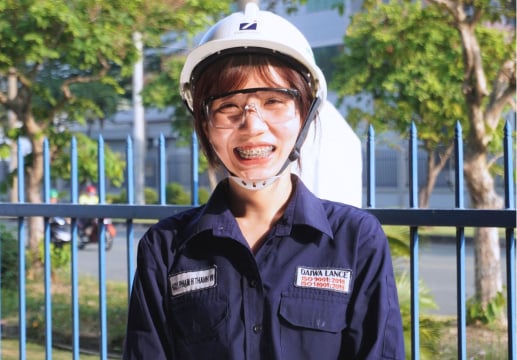
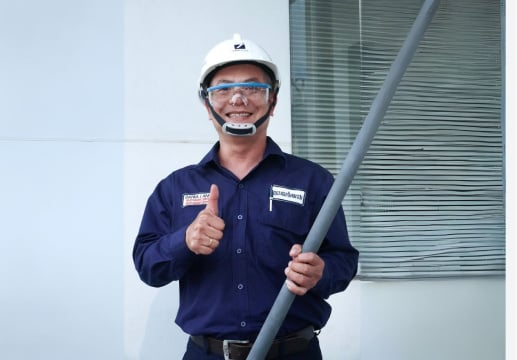
Personal protective equipment is the first visible layer of control, but it should be selected through the actual job risk rather than by habit alone. The following PPE items are required for thermic lance work, as outlined in our safety guidance.
-
Safety helmet for head protection when working around large, heavy, or unstable materials.
-
Safety mask or suitable face and eye protection to reduce exposure to sparks, glare, and flying particles.
-
Heat-resistant safety gloves to improve grip and protect hands during high-temperature handling.
-
Flame-resistant safety clothing to reduce burn risk from sparks and hot fragments.
-
Safety shoes with anti-slip grip and protection against sharp or hot debris on the ground.
-
Hearing protection where noise conditions require it.
-
Respiratory protection, such as a gas mask or other suitable protection, where fumes, dust, or process conditions make it necessary.
The exact combination can change by application. Scrap cutting, refractory work, foundry operations, demolition work, and cutting in restricted spaces do not create the same exposure. The more practical question is not simply what PPE is usually worn, but what PPE is appropriate for the material, the cutting position, and the work area being assessed.
Thermic Lance Safety Checklist Before Ignition
A short pre-operation check is one of the most effective ways to reduce avoidable mistakes. Before ignition, the operator or supervisor should confirm at least the following points:
-
The operator is trained, authorized, and familiar with the thermic lance operating procedure.
-
The correct lance type, size, and connection method have been selected for the job.
-
The holder, regulator, hose, coupling, valve, and oxygen line are in acceptable condition.
-
The oxygen supply is sufficient, and the regulator is set within the required range for the task.
-
The workpiece is stable, and the cutting direction has been reviewed before ignition.
-
Unnecessary personnel and combustible materials have been cleared from the area.
-
Fire extinguisher or other required fire-response equipment is ready before work starts.
-
Ventilation and fume conditions are acceptable for the work environment.
-
Required PPE is worn correctly before the cutting sequence begins.
-
The site’s hot-work permit and task authorization have been completed where required.
A practical checklist used every time is usually more valuable than a long document that exists only on paper. For thermic lance safety, consistency is one of the strongest controls.
Thermic Lance Operating Procedure for Safer Work
A practical thermic lance operating procedure should be written so it can be followed under real production conditions. The wording may vary by company, but the structure should still cover oxygen setup, ignition, active cutting, replacement, shutdown, and post-job control.
1. Set Up Oxygen and Equipment Correctly
Before cutting begins, the oxygen cylinder, regulator, hose, holder, and coupling should be checked carefully. The pressure of oxygen is recommended to be set at 8-12 bar by oxygen regulator. The oxygen hose should be connected to the holder, the thermic lance should be inserted and tightened securely, and visible leakage from the hose, coupling, or joint should not be treated as a minor issue.
For ignition, it is better to heat the far end of the lance with an oxyacetylene torch until it becomes red hot, then slowly opening the oxygen valve to start the burning reaction. Improvised ignition methods or unstable equipment setup should not be accepted as routine practice.
2. Begin Cutting with the Correct Distance and Angle
Once cutting begins, operator position becomes one of the most important controls. It is quite safe to maintain a distance of at least 1 meter from the material being cut to reduce exposure to flying sparks and molten metal. The lance should still be moved in the cutting direction while being kept in close contact with the base material.
Handling angle also matters. For the sake of the operator's safety, holding a thermic lance at an angle between 30° and 60° depending on the position of the base material is highly recommended. In practical terms, this range helps direct the heat into the workpiece more effectively while giving the operator better control and reducing the chance that sparks or slag return toward the body.
3. Monitor Consumption and Replace the Lance Safely
Because thermic lance is consumed during use, replacement timing is part of thermic lance safety, not a separate issue. As the lance shortens, the remaining safe handling length must be watched carefully. Once the thermic lance has been consumed to within about 30 cm of the holder, the oxygen valve should be shut off to stop the flame and the lance should be replaced promptly with a new one to maintain cutting continuity and safety.
This point is often overlooked in the field. Operators may focus on finishing the cut and delay replacement too long. In practice, that increases exposure to heat near the holder and reduces handling stability. If threaded socket or quick-coupling continuation is used, the connection should be made only by the approved method for that lance type.
4. Shut Down, Cool, and Dispose Safely
After the job is complete, oxygen flow should be shut down in the approved sequence, and the spent lance should be treated as a hot object until cooling has been confirmed. The surrounding scrap, base material, holder area, and support surfaces may also remain dangerously hot. Post-job housekeeping, safe isolation of hot remnants, and disposal of spent pieces should be treated as part of the operating procedure rather than an optional finishing step.
Ventilation, Work Area Control, and Fire Prevention
Ventilation deserves specific review because thermic lance work can generate heat, fumes, dust, and airborne particles depending on the material being cut. Heavy scrap, slag deposits, coated materials, refractory materials, and confined or semi-enclosed work zones do not create the same atmosphere risk. If visibility, heat build-up, or airborne contamination becomes a concern, the job should not continue as if it were ordinary outdoor cutting. It should be managed through the site’s industrial hygiene, permit, and supervision process.
Safe operation also depends on what happens around the cut. The work area should be cleared of unnecessary combustible materials, loose debris, and personnel who are not part of the task. The operator should stand in a stable position with clear awareness of what lies below, behind, and beside the cutting path. This is especially important where molten metal or slag may drop through the cut line. Fire-response equipment and emergency communication should be ready in advance, not only after a problem appears.
Documentation Buyers and HSE Teams Should Check
Good thermic lance safety depends not only on the product, but also on using the right documents. Before thermic lance is introduced into a new application, it is reasonable to confirm what technical and safety information is available and what the site itself must control internally.
Depending on the application and document-control requirement, the review may include product catalogue information, type and size details, oxygen setup guidance, and SDS or MSDS-type information if the site requires it. That review should be combined with the site’s own SOP, permit, and operator authorization records. These documents do not answer the same question. Product information helps confirm application fit, while internal operating documents govern how the work is actually performed on site.
Where supplier qualification is also part of the review, buyers may separately check company-level quality or management certificates relevant to purchase evaluation, such as ISO 9001, ISO 14001, or JIS-related company documents where applicable. However, those records do not replace the need for a task-specific operating procedure and risk assessment.
Common Mistakes That Weaken Thermic Lance Safety
Treating thermic lance like a standard cutting job without a task-specific risk review.
-
Starting work with weak oxygen checks or ignoring leakage at hose, holder, or coupling points.
-
Using basic PPE only and overlooking face, respiratory, leg, or footwear protection required by the actual job.
-
Standing too close to the workpiece instead of maintaining at least 1 meter of safe distance.
-
Holding the lance at a poor angle, which increases splashback and reduces control.
-
Continuing to use the lance after it has been consumed too close to the holder instead of replacing it promptly.
-
Ignoring ventilation risk created by the material or the work environment.
-
Treating product information as a substitute for the site’s own SOP, permit, and supervision controls.
Most of these failures are not caused by a lack of theory. They usually come from weak preparation, unsafe routine, or pressure to continue working after the safe condition has already changed.
FAQ on Thermic Lance Safety
- What PPE is required for thermic lance safety?
At minimum, thermic lance safety normally requires head protection, face and eye protection, heat-resistant gloves, flame-resistant clothing, and safety shoes. Hearing and respiratory protection may also be required depending on the site, the material, and the work environment. - What oxygen pressure is commonly used for thermic lance operation?
The pressure of oxygen should be 8-12 bar by oxygen regulator for standard operation. The final setting should still match the equipment, lance type, and actual job condition. - How far should the operator stand from the cutting area?
It is recommended to maintain a safe distance of at least 1 meter from the material being cut while keeping the lance moving in the cutting direction and in close contact with the base material. - What is the recommended holding angle?
It is better to hold thermic lance at an angle between 30° and 60°, depending on the position of the base material and the cutting direction. - Does this article replace an internal SOP or permit-to-work system?
No. This article is general guidance only. Actual work should follow the site-specific SOP, permit-to-work system, local regulations, and supervisor instructions. - What documents should be checked before using thermic lance in a new application?
The review usually starts with product catalogue information, type and size details, oxygen setup guidance, and any SDS or MSDS-type records required by the site. That review should be combined with the site’s own operating procedure, permit system, and operator authorization controls.
Related Blogs & Pages
-
Daiwa Thermic Lance product page: https://www.daiwalance.com.vn/en/products/daiwa-thermic-lance
-
Step-by-step Guide: How to Use Thermic Lance Safely and Effectively? https://www.daiwalance.com.vn/blog/step-by-step-guide-how-to-use-thermic-lance-safely-and-effectively
-
Safety Guide for Thermic Lance's Operation: https://www.daiwalance.com.vn/blog/safety-guide-for-thermic-lances-operation
-
Basic Knowledge about Daiwa Thermic Lance: https://www.daiwalance.com.vn/blog/basic-knowledge-about-thermic-lance
-
Burning Bar glossary page: https://www.daiwalance.com.vn/glossary/burning-bar
-
Catalogue page: https://www.daiwalance.com.vn/catalogue
-
Contact page: https://www.daiwalance.com.vn/en/contact
About Daiwa Lance
Established since 1997, Daiwa Lance has positioned ourselves as a pioneer in thermic cutting and oxygen lancing technology. Based in Ho Chi Minh City, Vietnam, we have been providing quality customer service and products with advanced Japanese technology.
We maintain the highest quality standards with ISO 9001:2015, ISO 14001:2015, and JIS G standards certifications. We have also expanded our reach globally, exporting to over 55 countries worldwide.
Visit us through our contact channels today: Email, WhatsApp, Contact Us form, or connect with us on Youtube, LinkedIn and Facebook.