Steel is one of the most carbon-intensive industries in the world, responsible for roughly 7–9% of global CO₂ emissions each year. For decades, that was simply the cost of keeping the world built. But that is starting to change.
Green hydrogen — produced by electrolysis from renewable electricity rather than fossil fuels — is now being piloted as a replacement for coal and coke in steelmaking. Major steel producers in Europe, Asia, and North America are already investing billions into what is known as the H2-DRI-EAF pathway: a method of making steel that could cut emissions by up to 95% compared to conventional processes.
This article explains how green hydrogen fits into modern steelmaking, why it matters for decarbonization, and — for steelmakers exploring this transition — what kind of injection equipment is required to support it.
How Steel Has Been Made? — The Traditional Way
Modern steel production relies on two primary methods.
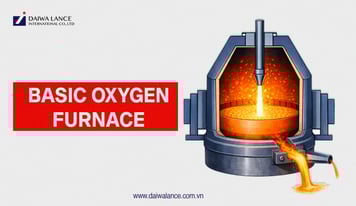
The first is the Basic Oxygen Furnace (BOF) route, which accounts for roughly 70% of global steel output. It begins with iron ore smelted in a blast furnace using coke as both fuel and reducing agent, producing molten pig iron. That molten iron is then transferred to a basic oxygen furnace, where high-purity oxygen is blown in to burn off excess carbon and impurities, converting it into steel.
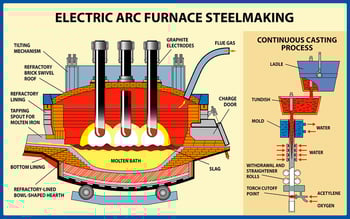
The second method is the Electric Arc Furnace (EAF), which produces around 30% of the world's steel. Rather than starting from raw iron ore, EAF melts recycled scrap steel using powerful electric arcs generated between large graphite electrodes. Because it relies on scrap rather than virgin iron ore, EAF is generally more flexible and energy-efficient — and when powered by renewable electricity, it carries a significantly lower carbon footprint than the BOF route.
Despite their differences, both the BOF and EAF methods share a critical environmental drawback: they are heavily carbon-intensive.
Green Steel: The Hydrogen-Powered Alternative
The emerging alternative is the Hydrogen-Based Direct Reduced Iron (H2-DRI) route, combined with an Electric Arc Furnace (EAF). The key difference: hydrogen replaces coal and coke as the reducing agent.
The process works like this:
Step 1 — Iron Ore Preparation
Iron ore is prepared in the form of pellets or lumps, typically ranging from 8 to 30 mm in size, ready to be fed into the reduction reactor.
Step 2 — Reduction in the Reactor
Green hydrogen is introduced into the reactor, where it acts as the reducing agent — reacting with the iron ore to strip away oxygen and produce metallic iron (sponge iron) along with water vapor (H₂O) as the only byproduct, instead of CO₂.
Two main reactor types are used at this stage:- Shaft Furnace — the most commercially advanced option, used by processes such as MIDREX and HYL/Energiron, where iron ore is fed from the top and reduced gas flows upward through the bed.
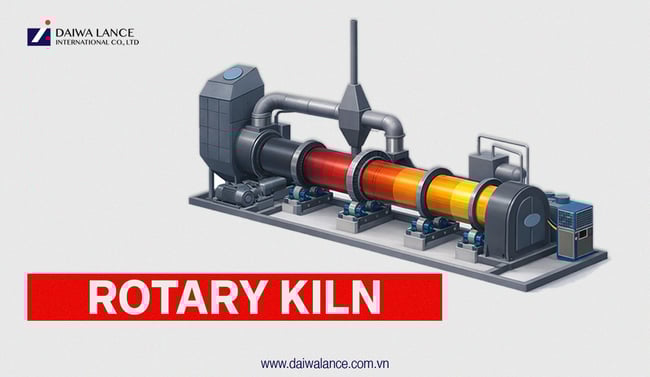
- Rotary Kiln — a slightly inclined, rotating cylindrical furnace where iron ore and the reductant are charged together. As the material moves forward through the kiln, reduction reactions take place at operating temperatures maintained between 1,000°C and 1,100°C. The rotation of the kiln provides continuous mixing, which exposes new particle surfaces to the reducing gas, improving the overall reaction rate and allowing better control over ore flow rate and residence time. Traditionally the rotary kiln has used coal as its reductant, but it is increasingly being studied and adapted for hydrogen-based reduction.
Step 3 — Cooling and Separation
After discharging from the kiln, the DRI and char mix are cooled using an external water cooling system to temperatures between 100°C and 200°C, after which DRI is magnetically separated from non-magnetic residues.
Step 4 — Refining in the Electric Arc Furnace (EAF)
The solid DRI is then melted and refined in an Electric Arc Furnace powered by renewable electricity, completing a steelmaking process whose primary byproduct is water, not carbon dioxide.
The result: a steelmaking process where the main byproduct is water, not carbon dioxide.
BOF vs EAF vs Green Hydrogen DRI: How Different Are They?
The table below highlights the key differences between the three steelmaking methods — BOF, EAF, and green hydrogen-based DRI — particularly in terms of carbon emissions and environmental impact.
| BOF | EAF | H2-DRI + EAF (Green Steel) | |
|---|---|---|---|
| Primary input | Iron ore + coke | Recycled scrap steel | Iron ore + green hydrogen |
| Energy source | Coal / coke | Electricity (mostly fossil) | Renewable electricity |
| Reducing agent | Coke (carbon) | — | Green hydrogen (H₂) |
| Main byproduct | CO₂ | CO₂ | Water vapor (H₂O) |
| CO₂ per tonne of steel (*) | ~1.8–2.1 tonnes | ~0.4–0.6 tonnes | ~0.05–0.1 tonnes |
| Maturity | Fully commercial | Fully commercial | Pilot stage / emerging |
(*) Figures in this table are referenced from the World Steel Association, the IEA Iron and Steel Technology Roadmap, and HYBRIT project results.
Hydrogen Lance Pipes: Essential Equipment for the Green Steel Era
The shift from carbon-intensive to carbon-free steelmaking is no longer a distant goal — it is happening now.
Green hydrogen-based steel production is gaining momentum across the globe, with major steelmakers investing heavily in cleaner technologies to meet tightening emissions regulations and growing market demand for sustainable materials.
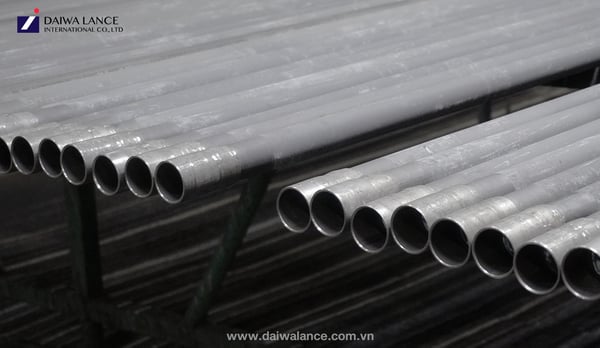
As this transition accelerates, every component of the production process must evolve alongside it. Hydrogen lance pipes are one such component — purpose-built to inject hydrogen gas precisely and reliably into the furnace environment, they serve as a critical enabler of this new era of cleaner, greener steelmaking.
What is Hydrogen Lancing?
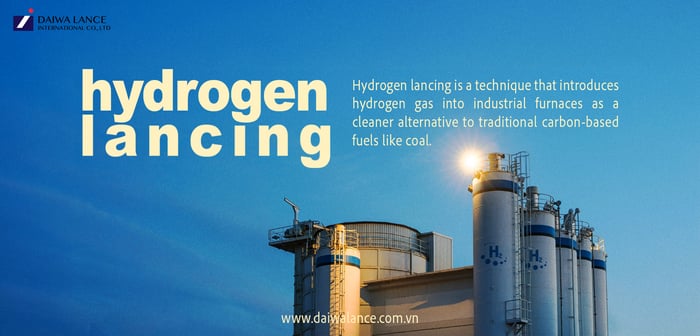
Building on the broader shift toward green hydrogen in steel production described above, hydrogen lance pipes serve as the practical delivery mechanism for injecting hydrogen gas inside the furnace. While the H2-DRI pathway replaces coal at the ironmaking stage, hydrogen injection via lance pipes also plays a supporting role in refining, atmosphere control, and specific metallurgical treatments inside the EAF or ladle furnace.
Here's how it works:
-
The Process: Hydrogen gas (H₂) is injected through a jet burner or specialized lance pipe positioned near the burner zone of the furnace. This hydrogen either supplements or replaces coal and other carbon-containing materials.
-
The Benefits: By using hydrogen instead of carbon, the process significantly reduces CO₂ emissions. Hydrogen combustion produces only water vapor as a byproduct, making it an environmentally friendly option.
-
Key Operational Factors: The effectiveness of hydrogen lancing depends on several technical parameters: lance pipe or jet burner distance from the burner, injection angle, and gas velocity and flow rate.
Heat Resistance of Hydrogen Lancing Equipment
Operating inside a steelmaking furnace — whether a DRI reactor, a rotary kiln, or an electric arc furnace — demands equipment that can endure the extremely high temperature conditions.
In Daiwa Lance, we offer two purpose-built solutions for hydrogen injection in these high-temperature environments.
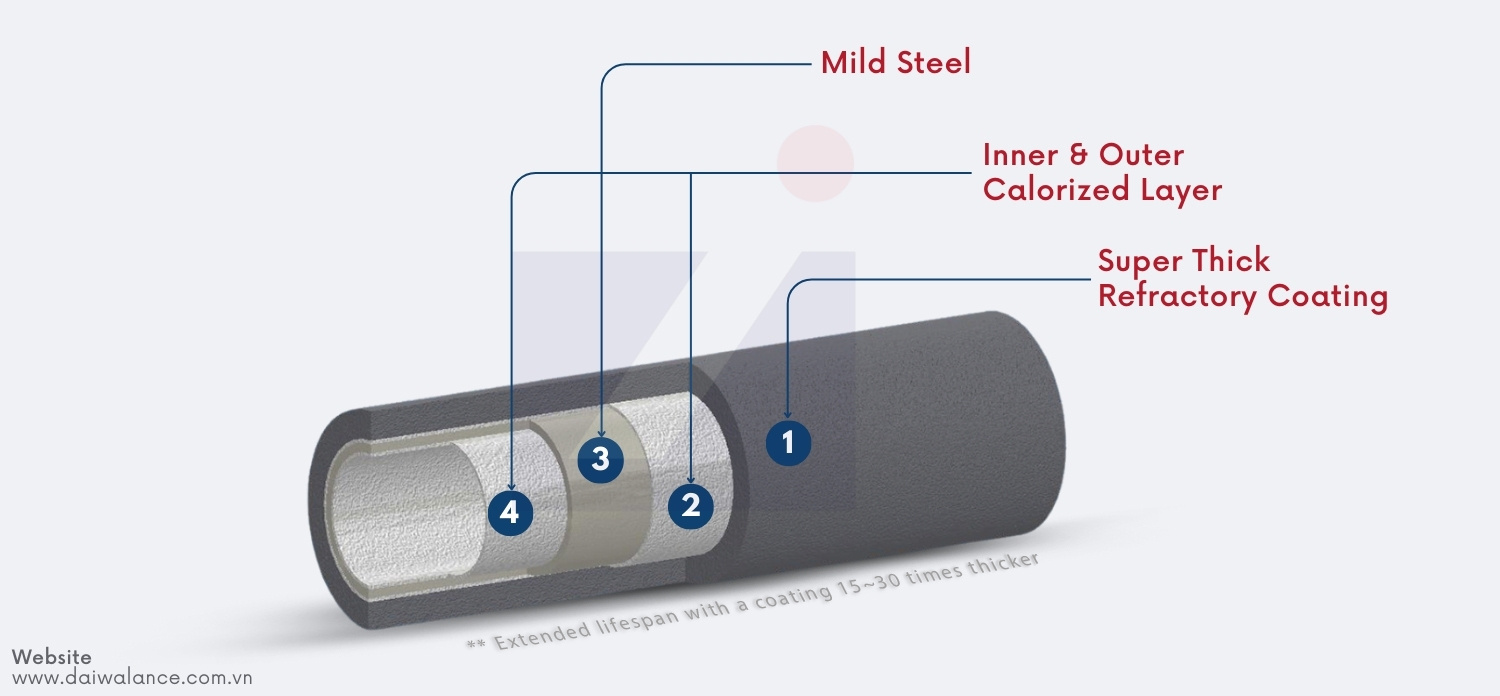
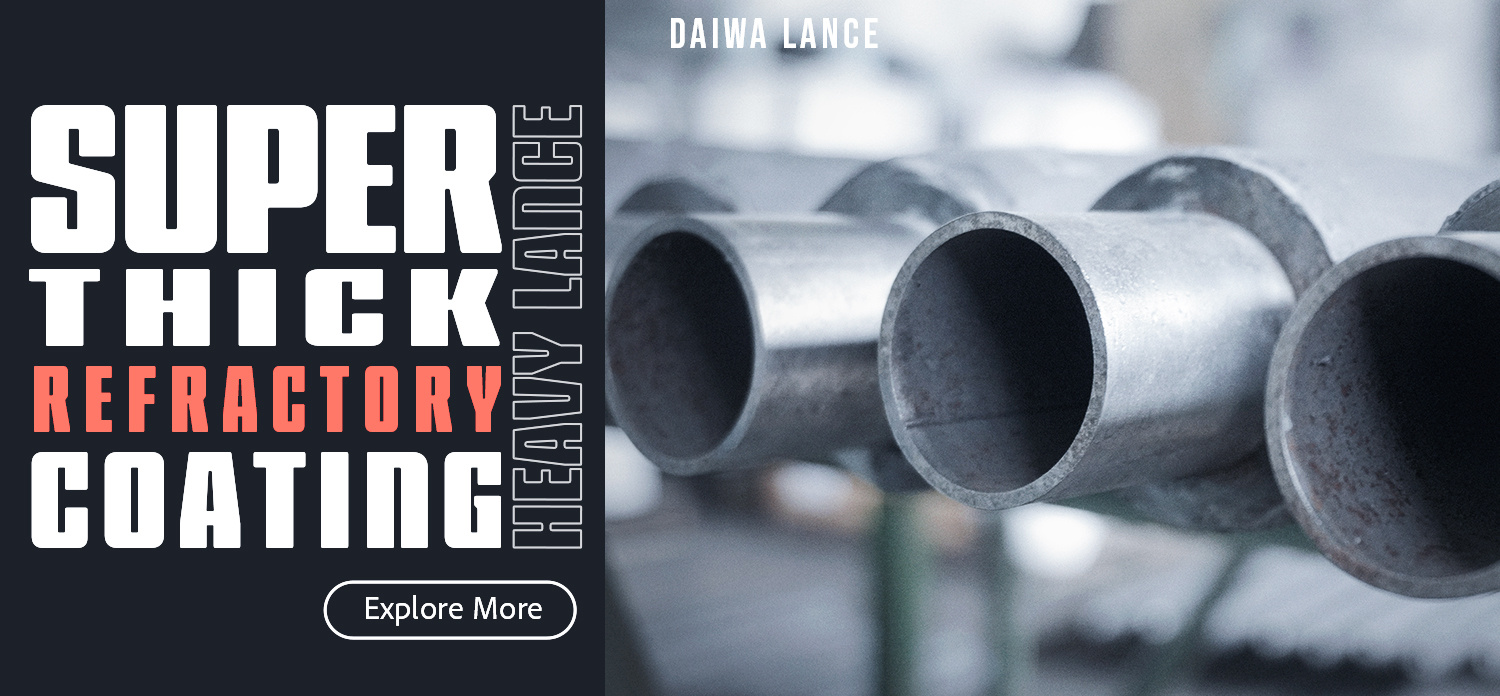
First, Daiwa Heavy Lance - a lance pipe engineered for the most demanding applications such as primary DRI reactors and rotary kiln operations, with optimized heat resistance up to 1,600°C — ensuring stable and precise hydrogen injection even at peak furnace temperatures.
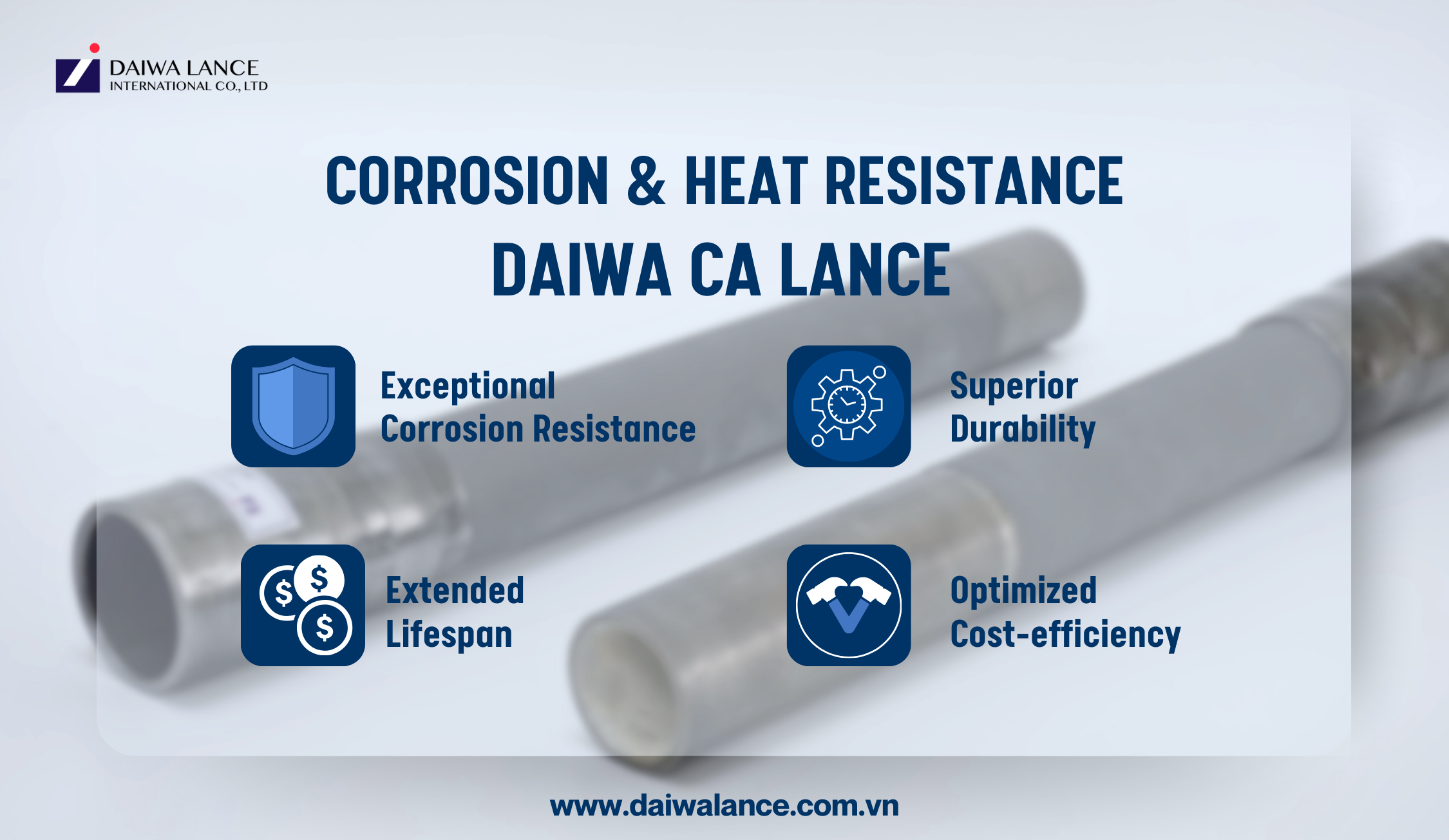
For operations requiring reliable performance at slightly lower ranges, Daiwa CA Lance delivers consistent heat resistance up to 1,500°C, making it a durable and dependable choice for EAF refining stages and secondary metallurgical processes.
Both products are designed to support the hydrogen injection requirements of modern green steel production from the reduction stage all the way through to final refining.
Explore the full specifications of our hydrogen lance pipes in the product catalogue below.
Daiwa Heavy Lance product catalogue
Daiwa CA Lance product catalogue
Daiwa Lance International Co., Ltd is a trusted supplier specializing in oxygen lances, carbon lances, and hydrogen lances with over 20 years of industry experience. Contact us at sales.dept@daiwalance.com.vn or at the address below to receive expert consultation and the best quotation for your required products.