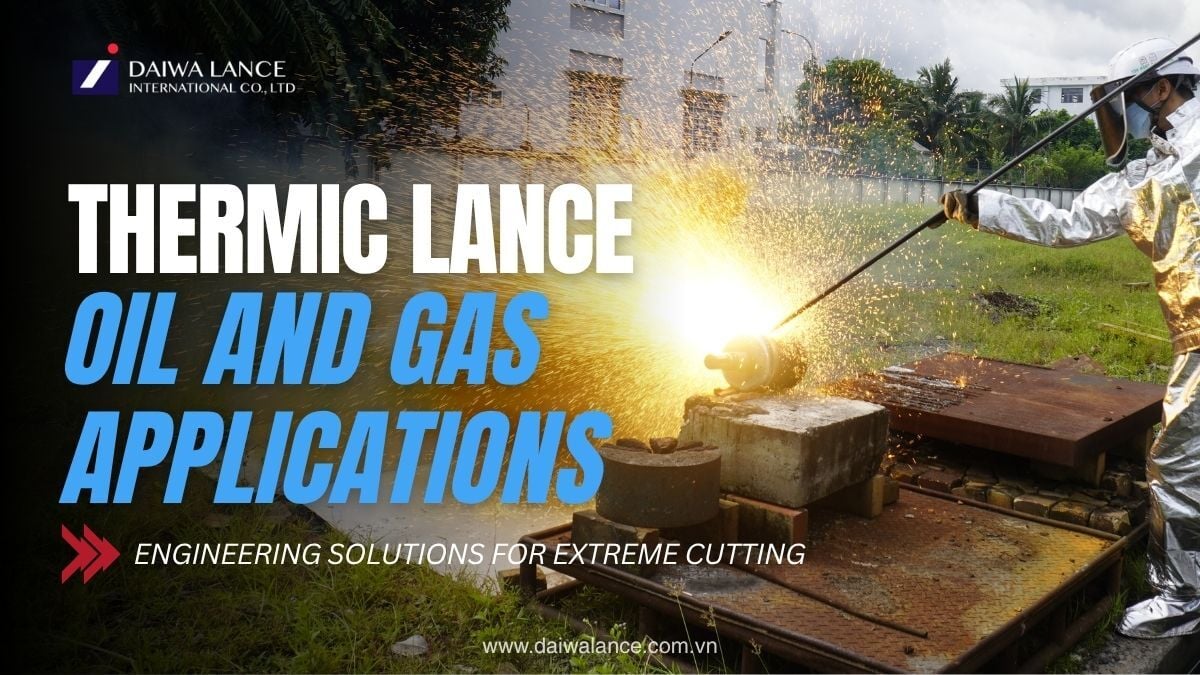
In the oil and gas sector, thermic lances are used for heavy cutting work that mechanical tools struggle with: dismantling topside platform structures, removing obsolete refinery equipment, and sectioning recovered pipeline strings with thick concrete weight coatings. Burning at 3,000-3,600°C, the lance cuts steel, concrete, and coatings together in one operation. This guide covers where the tool fits in upstream and downstream work, how to source it, and the quality controls that matter in hydrocarbon environments.
Critical Challenges in Offshore Topside Cutting and Maintenance
Offshore facilities concentrate the hardest cutting conditions in the industry: marine corrosion, mechanical stress, and dense, mixed-material structures. When diamond wire saws or hydraulic shears stall on multi-layered members, thermal cutting on topside structures becomes the practical alternative.
A thermic lance setup lets technicians clear jammed components and dismantle thick structural reinforcements directly on the platform deck. Field supervisors also keep lances on hand for oilfield maintenance - unforeseen component failures, structural shifting, and localized repairs.
Holding a continuous supply of lance pipes on an offshore rig means crews can respond to structural complications immediately, without halting primary production workflows while waiting for tooling.
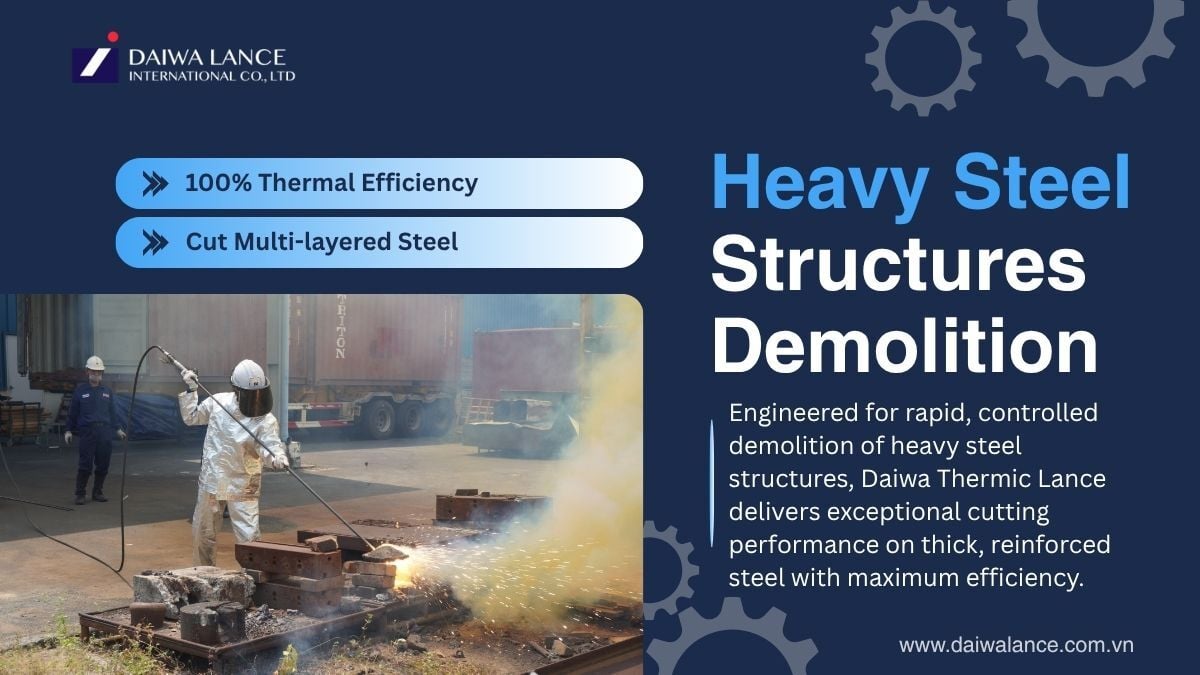
Pipeline Decommissioning and Structural Demolition in Dry Conditions
Decommissioning programs generate exactly the mixed-material sections a thermic lance handles well: heavy-walled carbon steel pipe wrapped in thick concrete weight coating. Mechanical saws suffer tool binding and rapid wear on these cross-sections; a thermic lance melts through both materials in the same operation.
The workflow matters: subsea pipeline sections and jacket members must first be recovered - lifted onto a barge deck, laid on the quayside, or brought into the yard - before thermal cutting begins.
Once sections are on deck or onshore, operators use the lance to sever jacket legs, conductor strings, and internal cross-members into transportable lengths. Single-pass cuts through steel and coating shorten deck handling time and reduce crew exposure to heavy lifting operations.
Refinery Maintenance and Midstream Plant Upgrades
Onshore downstream facilities present a different challenge: spatial restriction. During scheduled plant turnarounds, contractors use thermic lance cutting to remove obsolete heat exchangers, heavy coker vessels, and cracked structural foundations without damaging adjacent live equipment.
Two midstream applications stand out:
- System alterations - sectioning out damaged valve assemblies and preparing tie-in points for new manifold junctions on decommissioned, gas-freed lines.
- Storage and terminal maintenance - rapid removal of seized flange bolts and heavy structural support columns at processing and terminal sites.
Sourcing and Engineering Protocols for Oil and Gas Projects
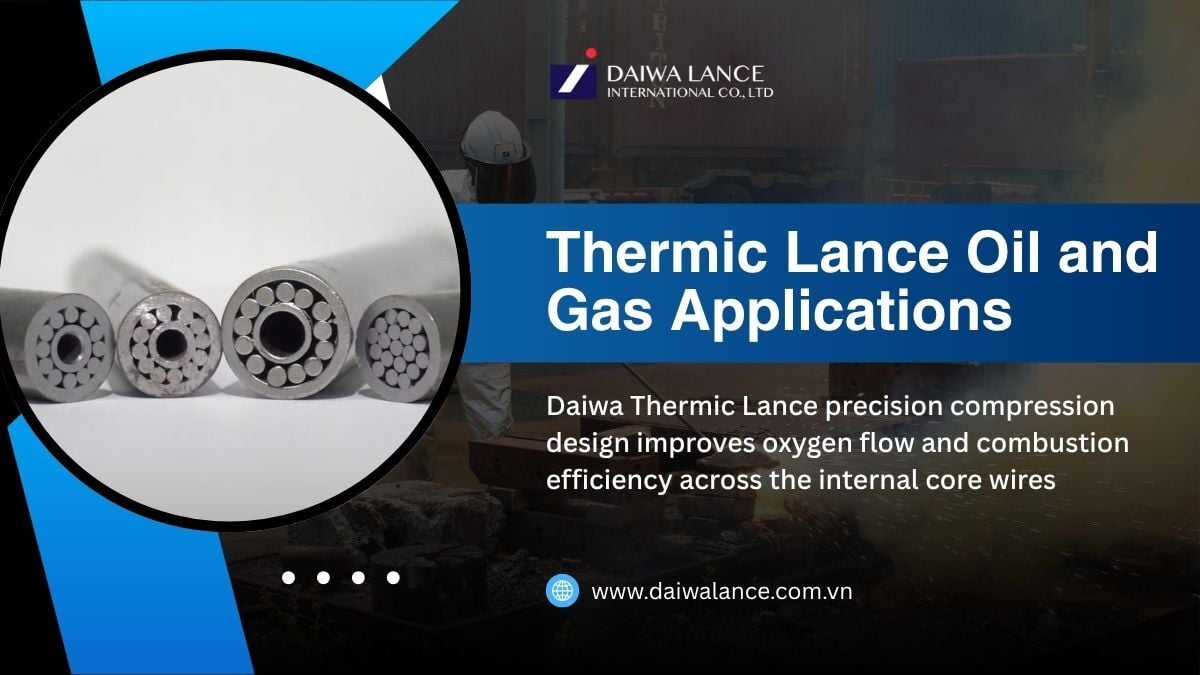
Product configuration determines cutting efficiency. The internal wire packing density and the structural integrity of the outer steel tube decide burn rate, heat output, and how predictably the lance consumes.
Selecting the correct outer diameter and length keeps the cutting team at a safe distance from molten slag while maintaining a steady, high-volume flow of pressurized oxygen.
Consumption planning is critical for remote sites. Engineers should calculate the lance consumption rate before mobilizing offshore supply vessels: poorly made tubes with inconsistent internal wire alignment burn unevenly, causing premature tube failure, excess gas consumption, and operational stoppages.
Tubes with verified, controlled interior geometry let planners estimate the exact quantity of rods required per metric ton of steel removed - avoiding logistics shortages in remote locations where resupply takes weeks.
Safety and Risk Management in Hydrocarbon Environments
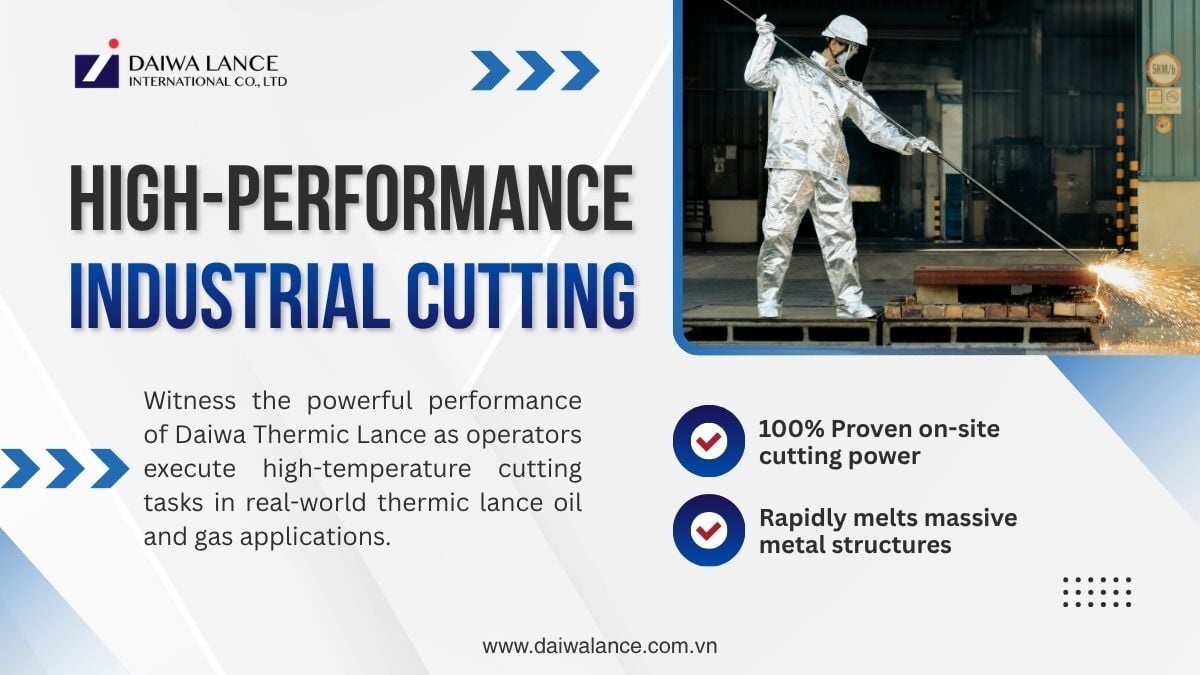
Thermal cutting near hydrocarbons is permit-controlled hot work. Lance cutting is performed only on isolated, purged, and gas-freed equipment under a hot-work permit, with atmosphere monitoring throughout the operation.
Material quality is the second layer of protection. Introducing high-velocity oxygen into a defective tube can cause serious failures, so five factory controls are essential:
- Sound weld seams - continuous eddy-current and ultrasonic testing verify every longitudinal weld against leaks and lateral burn-through.
- Oil-free, grease-free surfaces - multi-stage chemical washing leaves tube interiors hydrocarbon-free, removing the fuel source for oxygen flashbacks.
- Uniform wall thickness and straightness - wall-thickness checks and deflection audits prevent bending or rupturing under operational heat.
- Strict quality control - every production stage is monitored under an ISO 9001 quality management system with batch traceability.
- Verified certifications - documented ISO 9001, ISO 14001, and JIS compliance, auditable by HSE and procurement teams.
The Daiwa Thermic Lance is manufactured under all five controls, giving refinery and offshore contractors a consistent technical safety benchmark for hazardous environments.
Strategic Sourcing and Marine Supply Chain Logistics
Large-scale energy projects depend on supply chain coordination. Procurement teams managing multi-site fabrication or demolition yards use bulk procurement frameworks to stabilize material costs and maintain a steady buffer of consumables.
A direct supply agreement with the manufacturer helps corporate buyers avoid regional price spikes and allocation shortages. Lifespan should be evaluated on total operational value - gas consumption and lance changes per cut - rather than unit price alone.
Daiwa Lance International supports this planning with an MOQ of 50 pipes and free samples, letting engineering teams verify burn behavior on their own materials before committing to volume contracts.
Marine logistics capability matters as much as the product: customs clearance, port handling, export documentation, and container packaging standards must match international shipping regulations to keep remote jobsites supplied on schedule.
Comparative Analysis - Thermic Lance vs. Cold Cutting Methods
Thermal and cold cutting are complementary, not interchangeable. Cold cutting methods such as diamond wire sawing and high-pressure abrasive waterjetting are required wherever a flame cannot be permitted - including live hydrocarbon zones and underwater work.
For dry, gas-freed structures, however, cold cutting brings mechanical limitations: blades and wires bind when structural loads shift, wear rapidly on mixed materials, and need access on multiple sides. This is where thermal cutting takes over.
A simple selection rule applies:
- Choose cold cutting when the atmosphere cannot be made flame-safe or the work is underwater.
- Choose a thermic lance when the structure is dry, gas-freed, and made of mixed or heavy-section materials that bind mechanical tools.
Speed and Reliability in Pipeline Section Removal
On purged, hydrocarbon-free pipeline sections, a Daiwa Thermic Lance removes the binding risk entirely: there is no blade in the kerf for shifting structural loads to trap. The continuous exothermic reaction melts through steel alloys, concrete jackets, and scale deposits in a single pass.
That reliability keeps section removal on schedule during tightly planned turnaround and decommissioning windows, when a trapped cutting wire could cost a full shift of recovery work.
Quality Assurance for Hazardous Industrial Environments
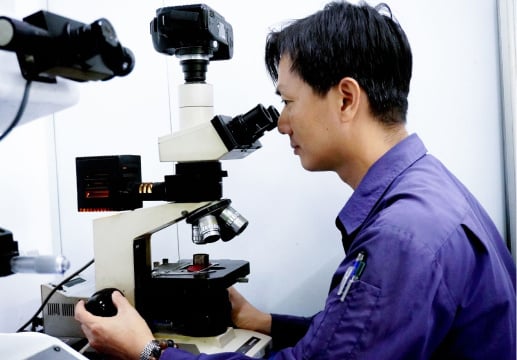
Refinery turnarounds and decommissioning projects demand material predictability. Every component used in these environments should carry verified metallurgical tracing and documented production origin, so performance can be audited before the lance ever reaches a hot-work zone.
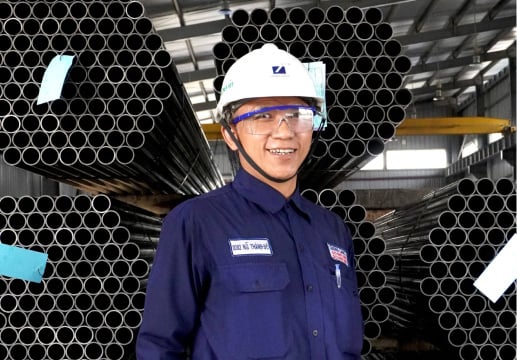
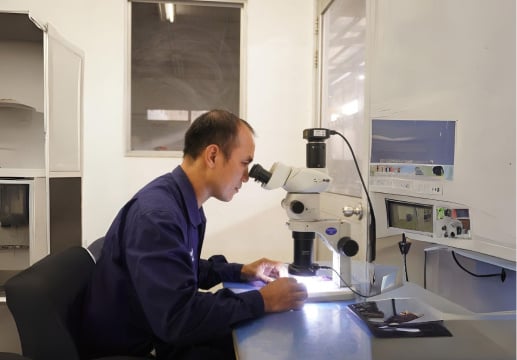
Daiwa Lance operates its production line accordingly: automated seam testing on every tube, multi-stage internal cleaning, straightness audits, and batch-level documentation that HSE teams can review during contractor qualification.
Secure Your Supply Chain for Oil and Gas Cutting Operations
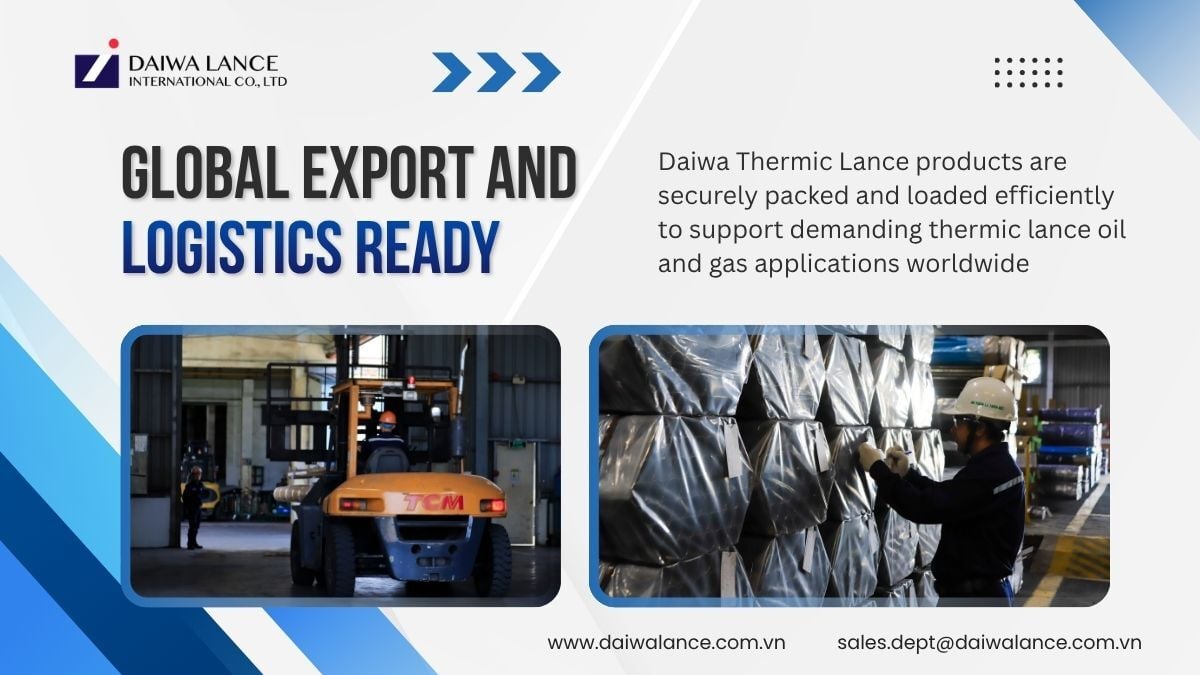
Daiwa Thermic Lance is manufactured directly at Daiwa Lance International's factory in Vietnam—inheriting Japanese technology and using high-quality materials from Japan. Production runs under ISO 9001, ISO 14001, and JIS certifications, with consistent straightness and uniform wire packing density.
An established global logistics network - serving customers in more than 52 countries, with full export documentation experience - ensures predictable shipping schedules, standard ocean container packing, and streamlined customs handling to energy industry hubs worldwide.
FAQ About Thermic Lance Oil and Gas Applications
When should you choose a thermic lance instead of cold cutting methods?
Choose cold cutting methods such as diamond wire sawing or abrasive waterjetting when the work is underwater or the atmosphere cannot be made flame-safe. A thermic lance is the better choice for dry, gas-freed structures made of thick steel, reinforced concrete, or mixed materials that can bind mechanical cutting equipment. The two methods are complementary, with each suited to different site conditions.
What are the main oil and gas applications for a thermic lance?
The main applications are topside platform dismantling, sectioning recovered pipeline strings with concrete weight coatings, refinery turnaround demolition of heat exchangers and vessels, and removing seized bolts and heavy supports at terminals. In each case the lance cuts steel, concrete, and coatings in a single operation.
Why is strict manufacturing quality essential in hydrocarbon environments?
Because lance failures near hydrocarbons have severe consequences. Certified tubes are chemically cleaned to be free of internal oils and grease, eliminating flashback hazards, while uniform wall thickness prevents lateral ruptures under high oxygen pressure. ISO 9001 batch control makes both properties auditable.
How do thermic lances optimize refinery turnaround timelines?
They provide high-speed thermal cutting during critical turnarounds. Crews rapidly section out obsolete heat exchangers, clear seized flange bolts, and remove heavy coker vessels without damaging nearby live equipment - keeping tightly sequenced turnaround schedules on track.
How should energy companies manage procurement for bulk thermic lance supply?
Establish long-term bulk sourcing agreements directly with the manufacturer to lock in unit pricing and secure a steady inventory buffer. Direct supply also provides mill certificates and consumption data for planning, and mitigates the risk of logistics delays or regional allocation shortages.
Plan Your Next Project with Daiwa Lance
Need lance specifications matched to your turnaround or decommissioning scope? Request a Quote with your dimensions and volumes, Download Catalogue for detailed engineering specifications, or Contact Us for container load configurations and free samples.
- Request a Quote: https://www.daiwalance.com.vn/contact
- Download Catalogue: https://www.daiwalance.com.vn/catalogue
- Contact Us: https://www.daiwalance.com.vn/contact
- Free Samples: https://www.daiwalance.com.vn/free-samples
Related Blogs & Pages
-
Daiwa Thermic Lance product page: https://www.daiwalance.com.vn/products/daiwa-thermic-lance
-
Catalogue page: https://www.daiwalance.com.vn/catalogue
-
Company overview: https://www.daiwalance.com.vn/company-overview
-
Thermic Lance glossary page: https://www.daiwalance.com.vn/glossary/thermic-lance
-
Contact page: https://www.daiwalance.com.vn/contact
About Daiwa Lance
Established since 1997, Daiwa Lance has positioned ourselves as a pioneer in thermic cutting and oxygen lancing technology. Based in Ho Chi Minh City, Vietnam, we have been providing quality customer service and products with advanced Japanese technology.
We maintain the highest quality standards with ISO 9001:2015, ISO 14001:2015, and JIS G standards certifications. We have also expanded our reach globally, exporting to over 55 countries worldwide.
Visit us through our contact channels today: Email, WhatsApp, Contact Us form, or connect with us on Youtube, LinkedIn and Facebook.