Desulfurization is a critical metallurgical process in steelmaking aimed at reducing the sulfur content in molten iron or steel to acceptable levels. Its fundamental purpose is to improve the mechanical properties, weldability and corrosion resistance of steel by minimizing sulfur-induced defects such as hot shortness and brittleness.
What is A Ladle Refining Furnace?
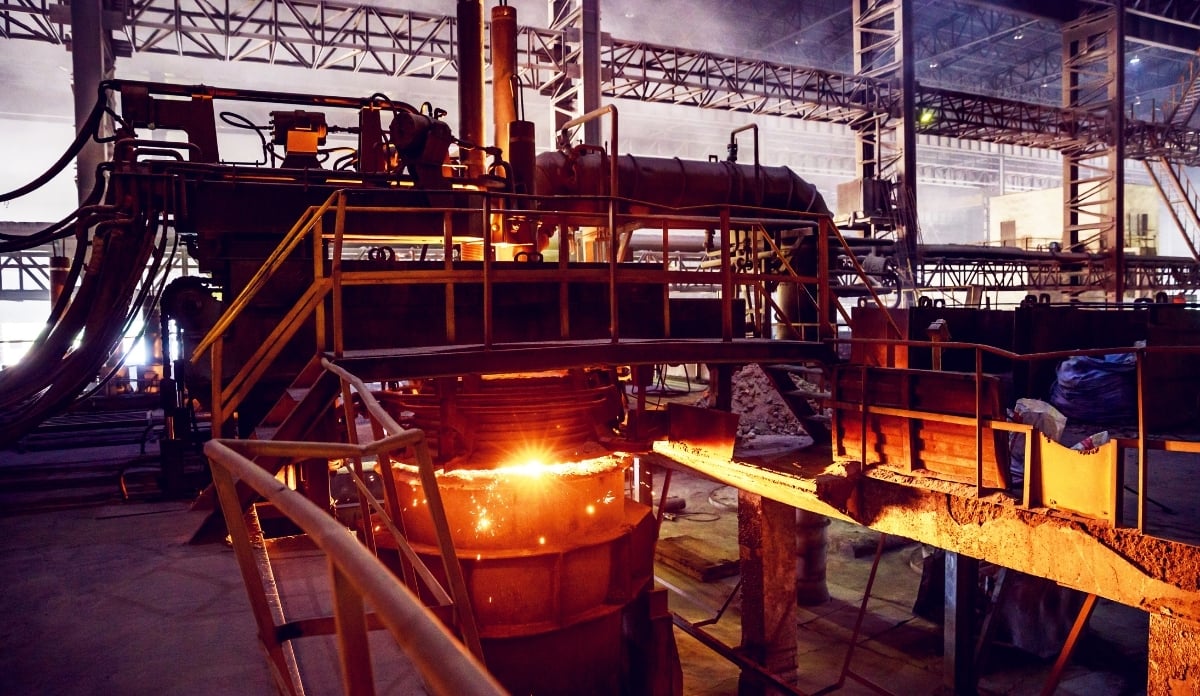
A ladle refining furnace (LRF) is a piece of secondary steelmaking equipment used to refine molten steel after it leaves the primary furnace .An LRF is used to fine-tune the quality of liquid steel before it is cast into solid shapes.
Why Desulfurization is an Essential Refining Process?
In the modern steel industry, meeting increasingly stringent technical requirements for material properties is a key challenge.
Sulfur, a detrimental impurity, severely affects both the internal and surface quality of steel, leading to defects such as hot shortness and reduced weldability and corrosion resistance.
Therefore, desulfurization is not merely a step in the production line, it is a strategic factor in creating ultra-clean steel. To achieve maximum purity, particularly to control the precipitation of sulfides, maintaining the lowest possible sulfur content in liquid steel is paramount.
In practice, the removal of sulfur from liquid steel is primarily performed in the ladle, an indispensable stage of the secondary steelmaking process. This procedure ensures uniform quality, enhances the strength, ductility and load-bearing capacity of the final steel product, thereby meeting the highest quality standards of the market.
How Does The Desulfurization Process in Ladle Refining Furnace Work?
The desulfurization process in a LRF is typically carried out by powder injection through an argon stirring lance.
- Preparation and Injecting the Desulfurization Agent: Powdered desulfurizing agents (such as quicklime, calcium carbide, or magnesium) are prepared. Argon is used as an inert carrier gas, blown through the lance to inject the desulfurizing agent particles deep into the liquid steel.
- Stirring: The argon gas creates intense stirring in the molten metal, which helps to increase the diffusion rate and maximize the contact between the desulfurization agent and the sulfur in the liquidsteel.
- Chemical Reaction: As the gas bubbles rise, the desulfurizing particles react with the sulfur (S) in the molten metal.
- Slag Formation and Removal: New sulfur compounds are formed (such as sulfides) which then float up and are captured by the slag layer on the surface. After the process is complete, this sulfur-rich slag layer is removed to prevent sulfur from reverting back into the steel.
Why Can Daiwa Argon Stirring Lance Be Used For Desulfurization?
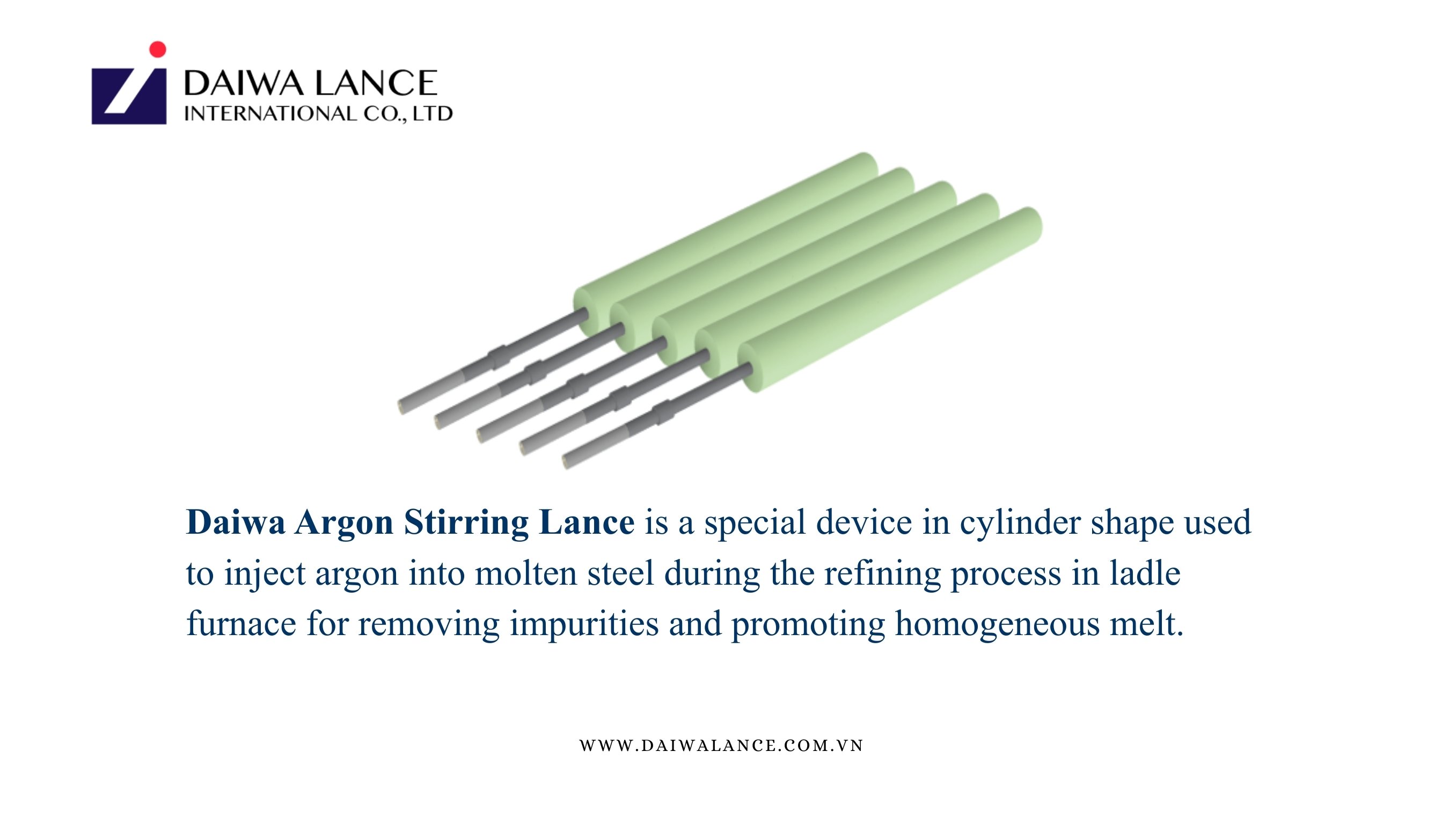
The Daiwa Argon Stirring Lance is built to make the steel refining process more efficient, safe, and reliable. With durable materials and precise engineering, it helps steelmakers achieve better results with less downtime.
Daiwa Argon Stirring Lance plays a crucial role in optimizing desulfurization efficiency through two main mechanisms:
Effective Stirring
The argon bubbles create strong agitation. This helps to:
- Increase the reaction rate and contact time between the desulfurizing agent and the liquid steel.
- Homogenize the temperature and chemical composition of the steel, ensuring uniform quality.
Deep Desulfurization Agent Injection
- The lance directly injects the powdered desulfurization agent deep into the molten steel, increasing the efficiency of the agent's use and ensuring a uniform process.
Thanks to the combination of powerful stirring and deep agent injection, the use of Daiwa Argon Stirring Lance helps achieve extremely low sulfur concentrations, while also aiding in the removal of dissolved gases like hydrogen and nitrogen, and impurities such as metal oxides. This meets the most demanding requirements for steel cleanliness and quality.
Conclusion
In summary, desulfurization in the LRF is an indispensable secondary refining step for producing high-quality steel. This process significantly improves the mechanical properties, durability and corrosion resistance of steel while minimizing dangerous defects. The use of the argon lance is key, as it not only delivers the desulfurizing agent but also creates powerful stirring, optimizing the reaction process to achieve ultra-clean steel, meeting the increasingly high demands of the industry.
Daiwa Lance International Co., Ltd is a leading manufacturer cum supplier of various lance pipes used in the steel industry since 1997. We confidently recommend the Daiwa Argon Stirring Lance is manufactured by Daiwa Lance, the product is custom designed to meet your specific requirements, ensuring your complete satisfaction.
Please contact us today to optimize your refining steel process.