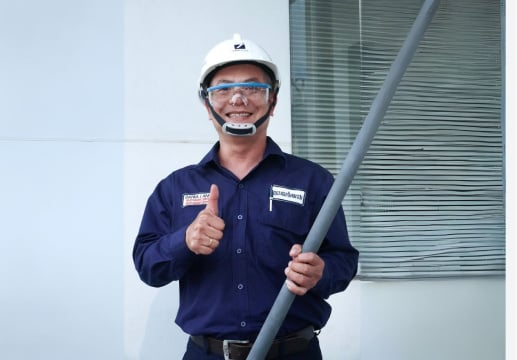
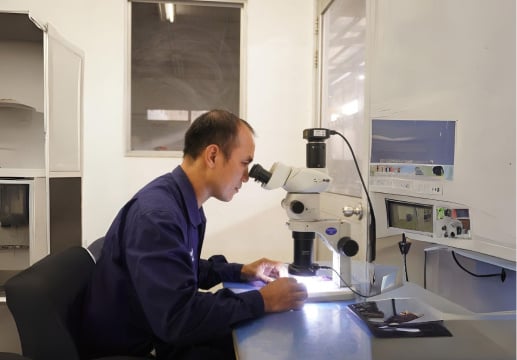
Industrial plants across Egypt and the wider Middle East - from the manufacturing belts of Helwan, Sadat City, Alexandria, and Suez to smelters across the region - consume burning bars continuously for furnace tapping, slag removal, and heavy maintenance. This guide explains how procurement teams can buy burning bars with confidence: the technical requirements to verify, the right product configuration, import logistics, and how to obtain accurate pricing.
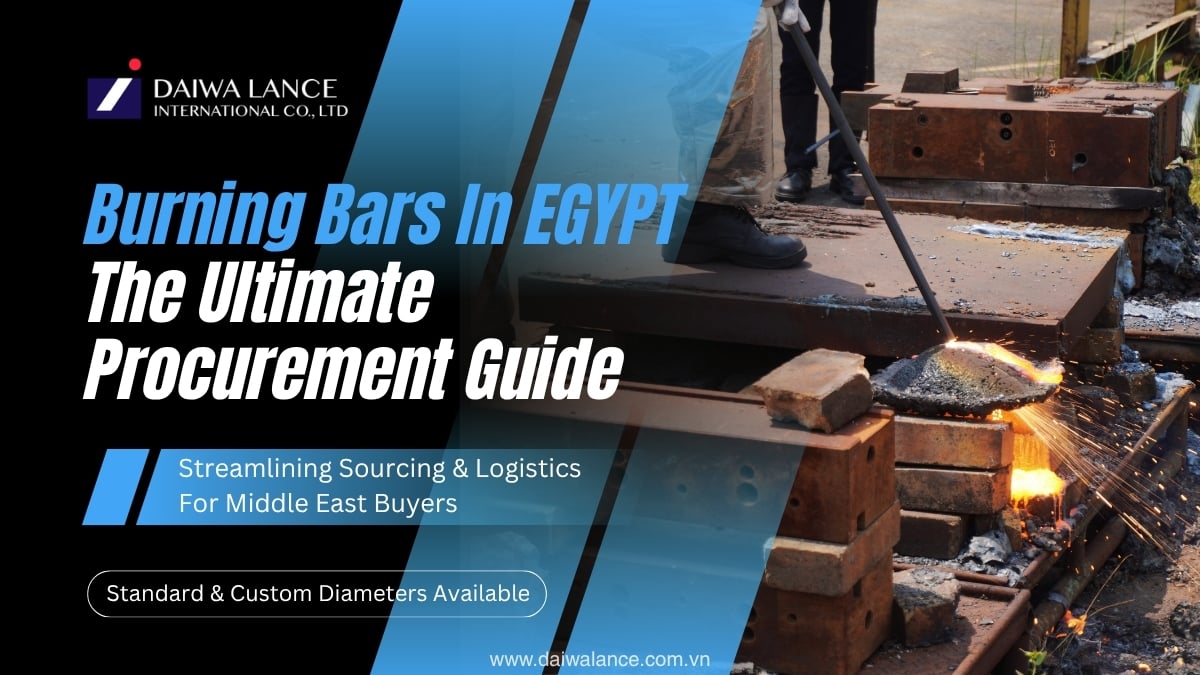
A burning bar (also called a thermic lance or thermal lance) is a consumable steel pipe packed with steel wires. Fed with high-pressure oxygen, it sustains an exothermic reaction that produces a flame of 3,000–3,600°C, cutting high-hardness materials quickly. It is consumed as it cuts, which makes supply continuity as important as unit performance.
Do You Need a Burning Bar Supplier Located in Egypt?
No. For buyers in Egypt and the Middle East, sourcing burning bars does not always mean choosing a manufacturer located inside the country. In many cases, industrial buyers work with overseas manufacturers that can provide consistent product quality, technical documentation, export support, and reliable shipment planning. The key is to confirm whether the supplier understands the logistics requirements of delivering industrial consumables to your region.
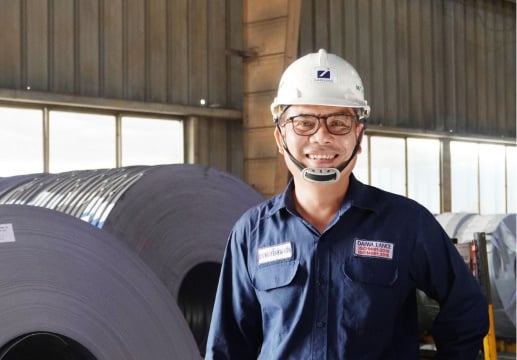
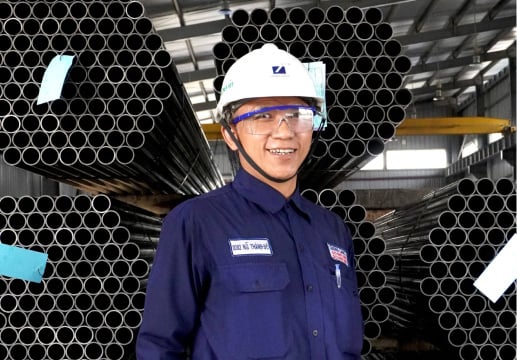
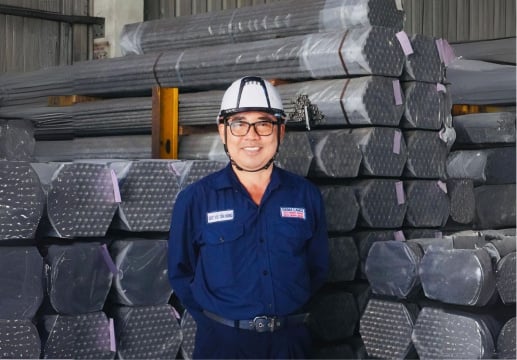
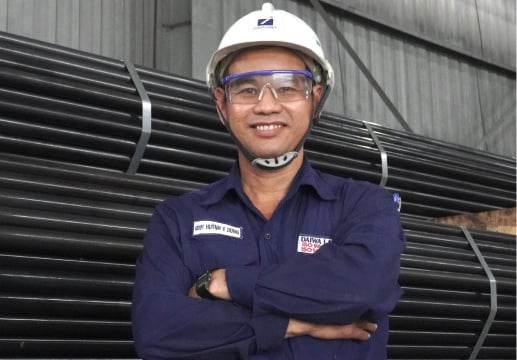
Daiwa Thermic Lance is manufactured directly at Daiwa Lance International's factory in Vietnam—inheriting Japanese technology and using high-quality materials from Japan—and is sold to more than 52 export countries.
Buying directly from a manufacturer - rather than through unverified local traders - gives full transparency on material composition, degreasing processes, and batch traceability. Confirm also who handles documentation issues and replacement of goods damaged in transit: an experienced exporter states this in the contract rather than leaving it to negotiation after arrival.
Technical and Safety Requirements to Verify Before Buying
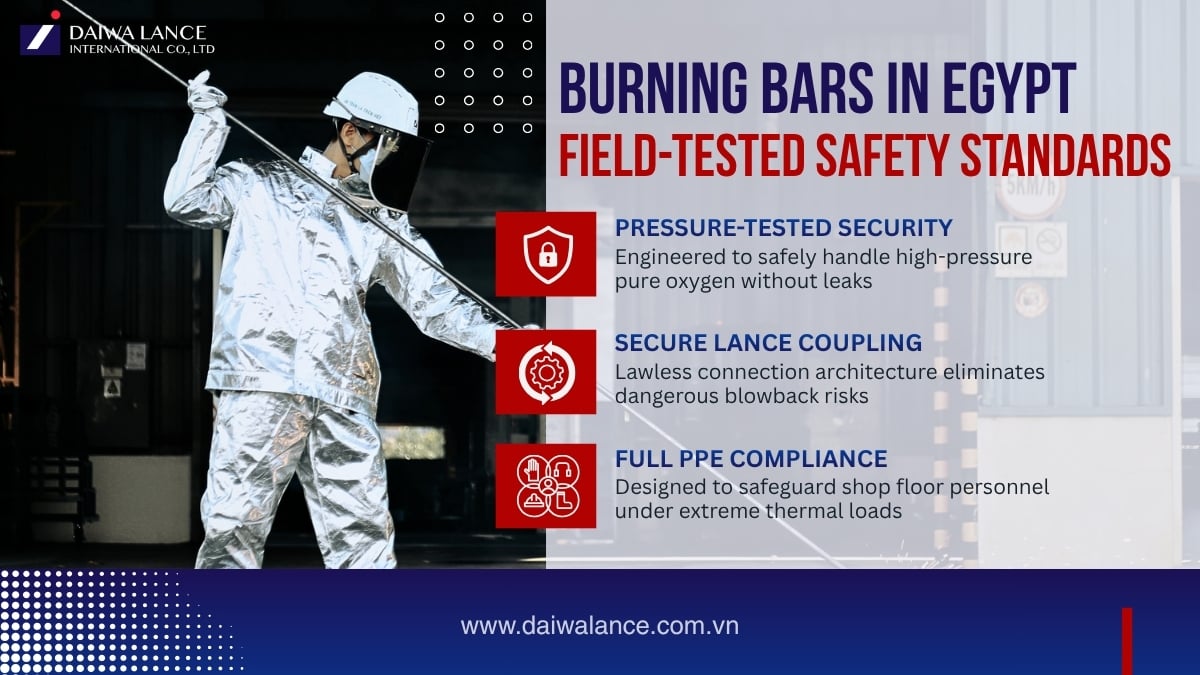
Substandard burning bars are a safety hazard, not just a quality problem: the pipe carries high-pressure oxygen to sustain an extreme exothermic reaction, so material defects can cause blowbacks or premature failure. Verify these requirements with any prospective supplier:
- 100% oil-free surfaces – residual drawing lubricants or grease can react violently with high-purity oxygen; every batch must be factory-degreased.
- Weld seam integrity – the longitudinal weld must hold continuous gas pressure without leaking or splitting.
- Uniform wall thickness and straightness – rods handled at 2.0–5.5 m near furnace tap holes must not soften, sag, or buckle under radiant heat.
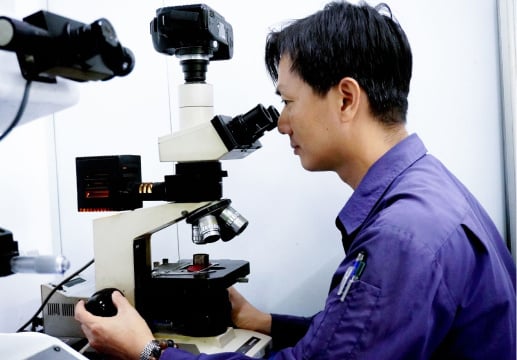
- Strict quality control – batch-level inspection under an audited ISO 9001 quality management system.
- Certifications – ISO 9001, ISO 14001, and JIS compliance as independent evidence of consistent manufacturing.
Beyond the product itself, operators should keep oxygen pressure between 8 and 11 bar, ensure adequate ventilation, and wear full personal protective equipment — heat-resistant clothing, a face shield, and gloves. Daiwa Lance International supplies safety guidelines and training materials with its products.
Choosing the Right Configuration for Burning Bar
Matching the internal structure and connection end to your cutting task has more impact on total cost than the unit price. Daiwa Thermic Lance is supplied in two internal structures:
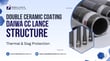
- Type T – partially packed with steel wires around an inner pipe core; regulates oxygen flow for precision cutting and controlled material removal.
- Type W – fully packed with steel wires; delivers maximum cutting power for heavy demolition and thick cross-sections.
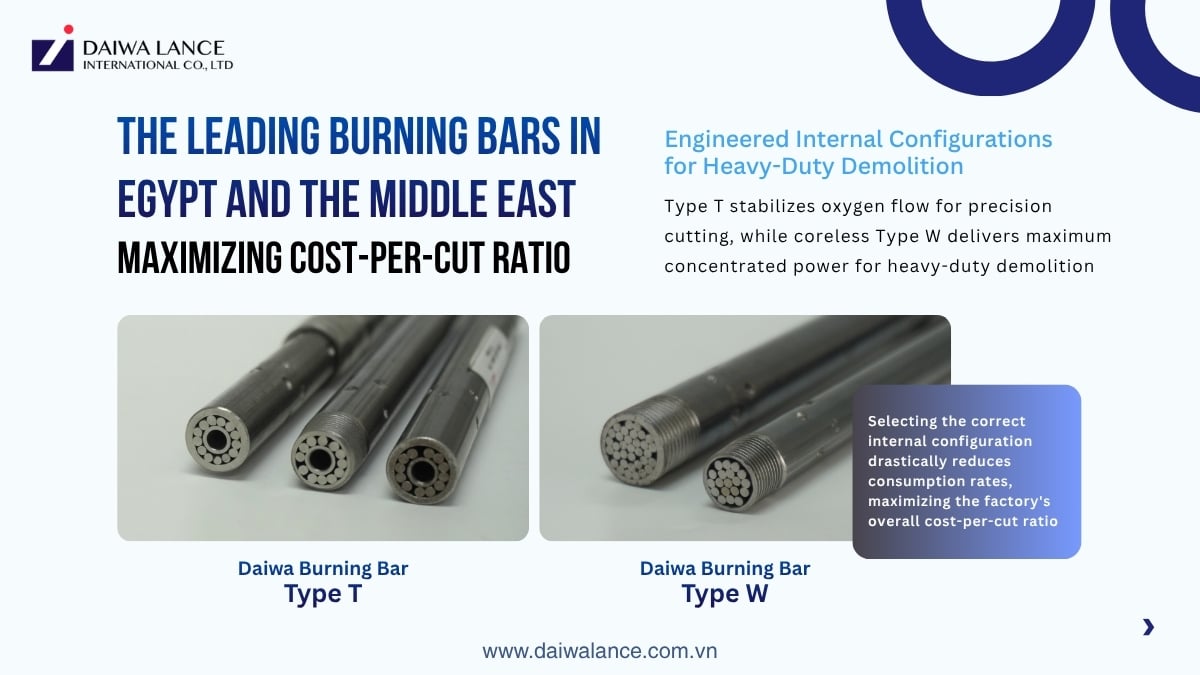
Four connection ends support fast rod extension and reduce stub-end waste: Plain End (PE), Threaded End with socket (TD), Pressed Quick Coupling (PC), and Quick Coupling (QC). For continuous cutting, TD, PC, and QC types let operators join a new rod to the burning stub in seconds. Custom lengths up to 30 m are available for automated or deep-furnace applications. As a rule of thumb, choose Type T where control matters more than speed - for example cutting near refractory linings - and Type W where output matters most, such as thick slag accumulations and solid cross-sections.
Where Burning Bars Are Used in Egypt and the Middle East
The main regional applications are furnace maintenance in steel mills and heavy equipment maintenance in mining.
- Steel mills – opening furnace tap holes through hardened iron notches and refractory crusts; clearing solidified skulls and slag from ladle walls and tundish nozzles during continuous casting.
- Mining – piercing seized, cold-welded pins on excavator buckets and conveyor linkages so components contract and release as they cool; sectioning worn crusher plates.
- Demolition and scrap – cutting reinforced concrete, natural stone, and heavy steel structures that have been dismantled and brought onshore.
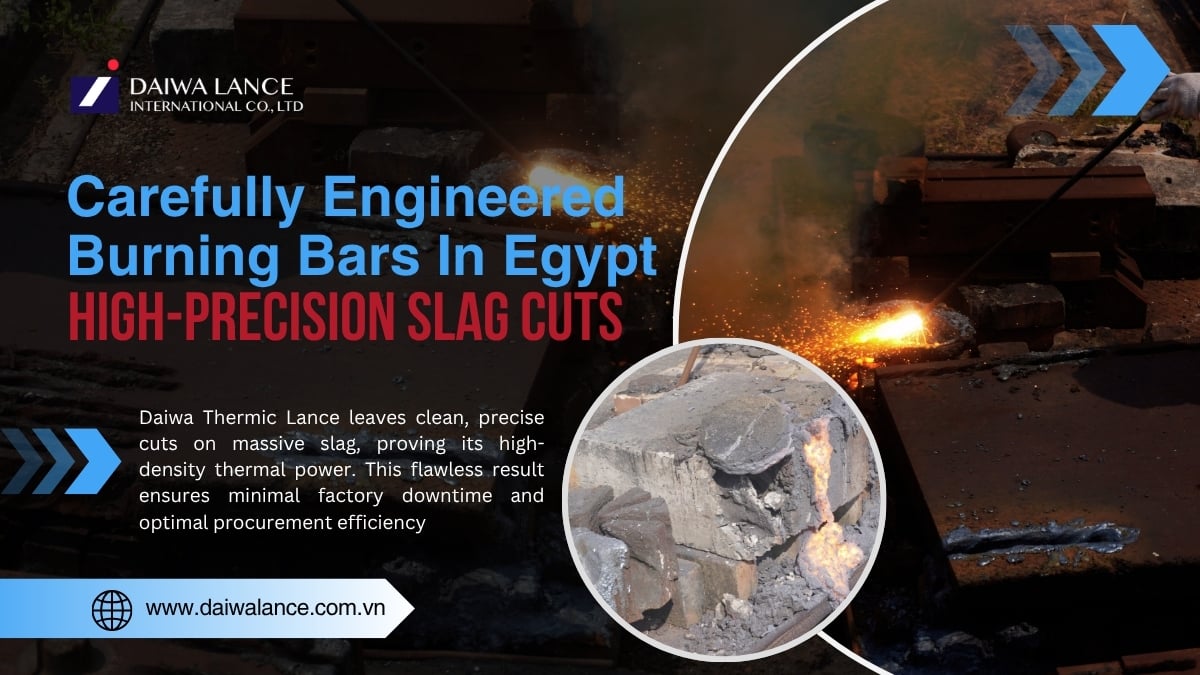
Because the flame liquefies both ferrous alloys and dense non-ferrous compositions without heavy mechanical vibration, burning bars clear blockages without fracturing sensitive refractory brick - often reducing repair turnarounds from days to hours. Plants running electric arc or induction furnaces treat burning bars as a recurring consumable: demand scales with tapping frequency and slag conditions, so consumption records from each campaign are the most reliable basis for sizing orders.
Burning Bar Import Logistics for Egypt and the MENA Region
Reliable supply depends on shipment planning and correct packaging, not on local warehousing. Check the following before contracting:
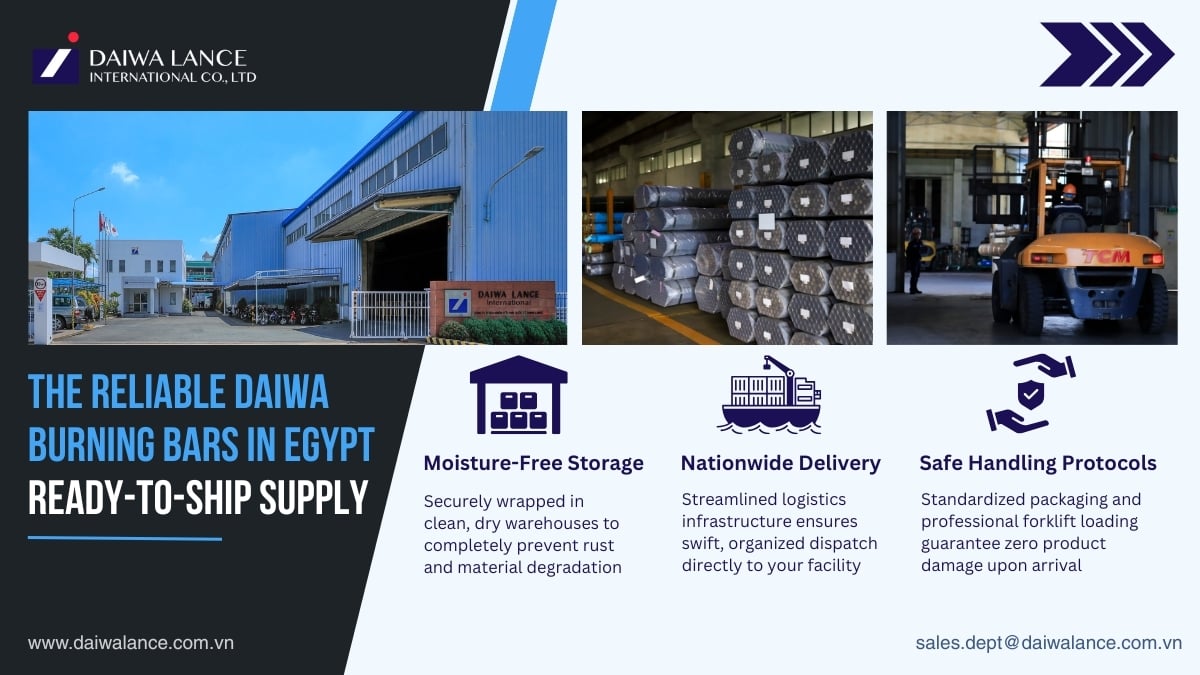
- Packaging – burning bars are carbon steel pipes packed with steel wires; maritime humidity and desert temperature swings can cause internal oxidation. Require moisture-resistant bundling wraps and protective end caps.
- Documentation – commercial invoice, packing list, certificate of origin (CO), and fumigation certificate prepared by the supplier to speed up customs clearance.
- Lead time and safety stock – agree confirmed production and transit times, and hold safety stock at your plant sized to your monthly consumption.
- Shipping mode – full container loads reduce handling damage; for smaller volumes, confirm how the supplier consolidates cargo and protects bundles during transshipment.
- Order size – Daiwa Lance International's minimum order quantity is 50 pipes; free samples are available for testing before volume orders.
Pricing: How to Get an Accurate Quotation for Burning Bar
There is no meaningful universal price list for burning bars, because pricing depends on configuration, volume, and delivery terms. Send a request for quotation (RFQ) that specifies lance type (T or W), outer diameter, length, connection end, monthly volume, destination port, and required documents. Send the same RFQ package to every shortlisted supplier so offers are directly comparable, and request mill test reports together with the quotation rather than after delivery.
For large consumers, a master supply agreement with agreed volumes stabilizes pricing against steel raw-material fluctuations and keeps furnace maintenance budgets predictable. Evaluate offers on cost per ton of material cut — a poorly packed bar that burns out faster is more expensive in practice than its unit price suggests.
FAQ: Buying Burning Bars in Egypt and the Middle East
1. What safety requirements should burning bars meet?
They must be factory-degreased to be 100% oil-free, have defect-free weld seams, and uniform wall thickness so rods do not sag or split in use. Manufacturing under ISO 9001 and ISO 14001, with JIS compliance, provides verifiable evidence of these controls.
2. Can Egyptian plants buy directly from an overseas manufacturer?
Yes. Direct sourcing from an overseas manufacturer is common practice and gives better traceability than buying through unverified traders. Confirm export experience, complete shipping documentation, and a restocking plan that matches your consumption.
3. Which configuration is right for steel mill slag removal?
It depends on the blockage. Type T, with an inner pipe core, regulates oxygen flow for controlled cutting near sensitive refractory; Type W, fully packed with wires, delivers maximum thermal output for thick slag and heavy sections.
4. How are burning bars used in mining maintenance?
Technicians pierce a hole through the center of a seized, cold-welded pin on excavator buckets or conveyor linkages. As the pin cools it contracts, allowing removal — cutting repair time from days to hours.
5. Which connection ends reduce material waste?
Threaded End (TD), Pressed Quick Coupling (PC), and Quick Coupling (QC) types let operators join a new rod onto the burning stub, so almost no pipe is discarded. Plain End (PE) suits simple holder setups but leaves stub waste.
Next Steps
If you are preparing a burning bar order for a plant in Egypt or the Middle East, start with a specification-based RFQ.
- Request a Quote – https://www.daiwalance.com.vn/contact
- Download Catalogue – https://www.daiwalance.com.vn/catalogue
- Contact Us – https://www.daiwalance.com.vn/contact
Related Blogs & Pages
-
Daiwa Thermic Lance product page: https://www.daiwalance.com.vn/products/daiwa-thermic-lance
-
Catalogue page: https://www.daiwalance.com.vn/catalogue
-
Company overview – https://www.daiwalance.com.vn/company-overview
-
Thermic Lance glossary – https://www.daiwalance.com.vn/glossary/thermic-lance
-
Contact page: https://www.daiwalance.com.vn/contact
About Daiwa Lance
Established since 1997, Daiwa Lance has positioned ourselves as a pioneer in thermic cutting and oxygen lancing technology. Based in Ho Chi Minh City, Vietnam, we have been providing quality customer service and products with advanced Japanese technology.
We maintain the highest quality standards with ISO 9001:2015, ISO 14001:2015, and JIS G standards certifications. We have also expanded our reach globally, exporting to over 55 countries worldwide.
Visit us through our contact channels today: Email, WhatsApp, Contact Us form, or connect with us on Youtube, LinkedIn and Facebook.