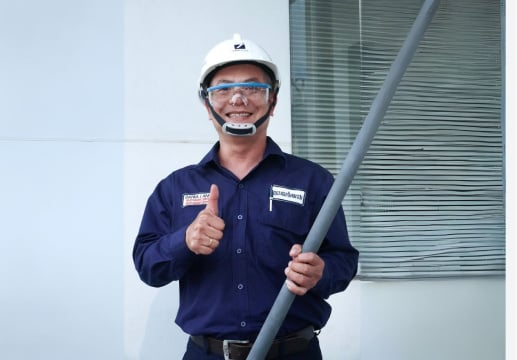
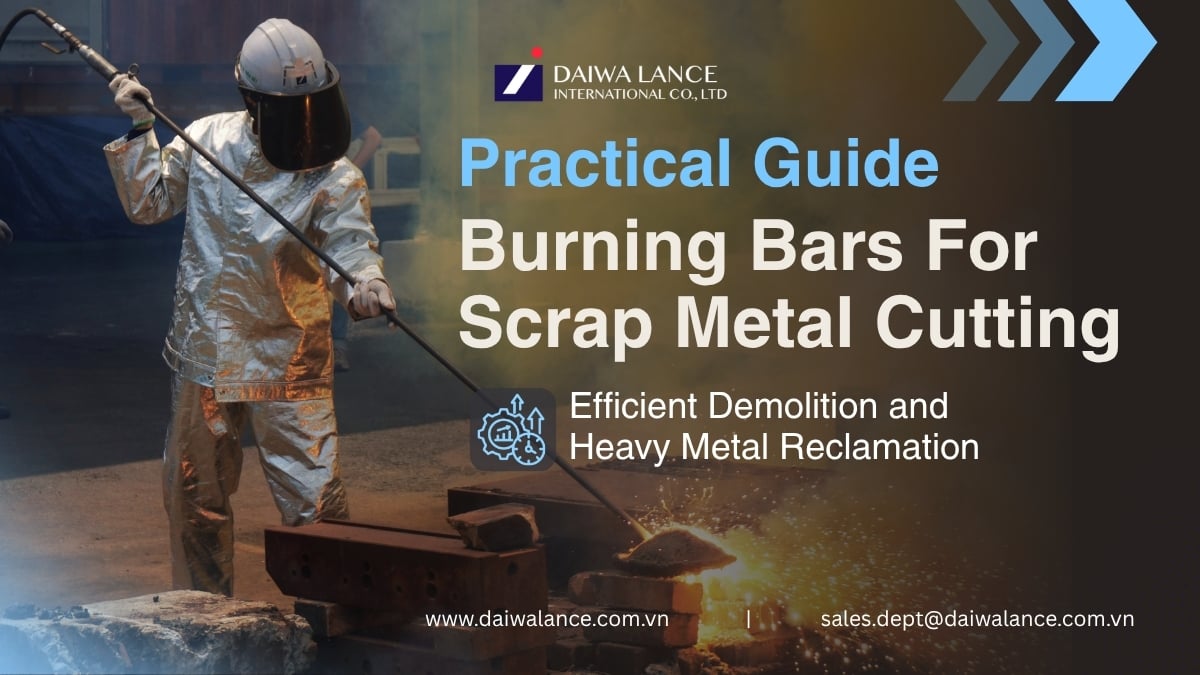
Using burning bars for scrap metal cutting is the primary method for dividing massive, high-hardness steel structures and dense foundry residues that hydraulic shears cannot manage. A burning bar (also called a thermic lance or thermal lance) is a consumable steel pipe packed with steel wires; fed with high-pressure oxygen, it sustains an exothermic reaction that produces a flame of 3,000–3,600°C.
This practical guide walks through the full lancing procedure - from pre-operational line setup to rod manipulation and extension - so yard operators and smelting plant engineers can accelerate material sizing while keeping the operation safe.
Why Yards Use Burning Bars for Scrap Metal Cutting
Burning bars let processing yards cut steel whose thickness or hardness exceeds the practical limits of hydraulic shears and industrial saws. High-density scrap causes blade damage to shears and accelerates mechanical wear on saws, while exothermic cutting handles heavy sections that mechanical tools cannot.
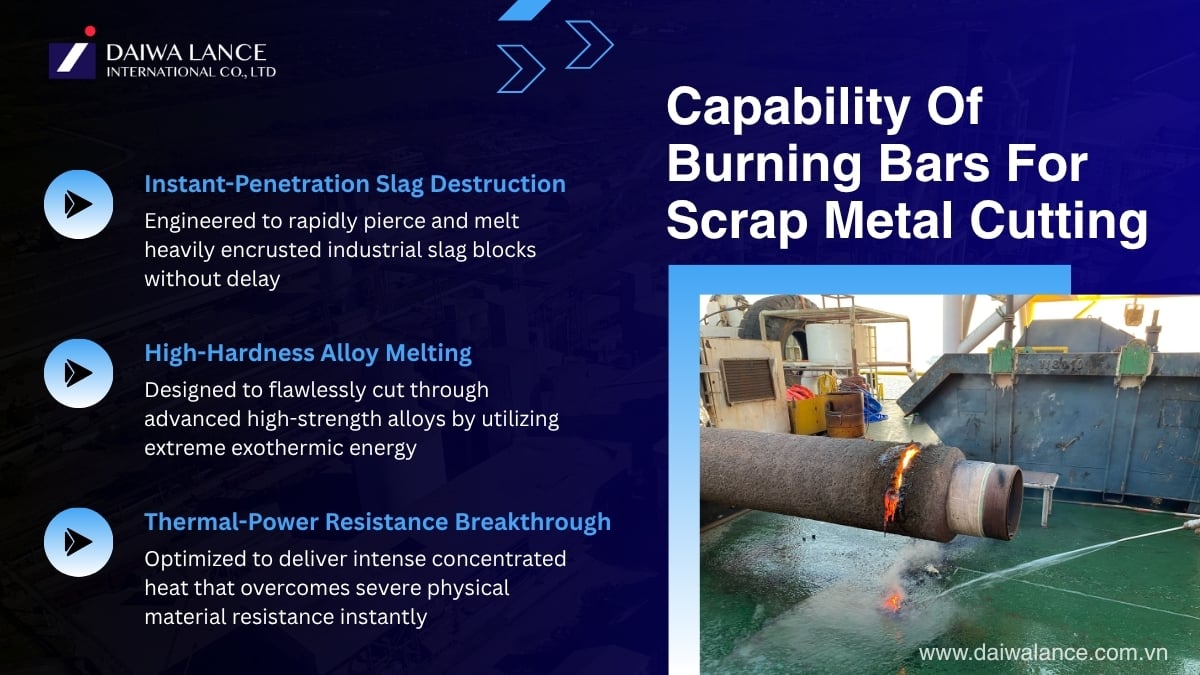
Portability is the second advantage. Hand-held thermal rods let operators segment massive structural elements right where they sit on the yard floor, instead of maneuvering non-standard structures under a fixed shear station. The intense heat splits multilayered plates and heavily corroded assemblies without binding.
Pre-cutting complex cast iron machinery beds, heavy structural columns, and large engine components before they reach the main processing line also limits stress on downstream recycling machinery. This keeps material flowing smoothly through the facility and extends the intervals between equipment overhauls.
Core Applications in Steel Mills and Shipbreaking Yards
Thermal cutting rods are standard equipment across heavy metallurgical plants and marine salvage zones. In smelting plants, they downsize oversized scrap into compact, standardized bundles that match furnace charging baskets, preventing structural hang-ups during the melt cycle.
In shipbreaking, burning bars are used to dismantle retired cargo vessels, old tankers, and obsolete marine structures that have been beached or docked for demolition. Decommissioned hulls contain thick structural reinforcements, bulkheads, and heavily rusted keel sections that resist standard oxy-fuel torches. The same method applies to dismantled offshore structures brought onshore, large industrial overhead cranes, and heavy mining machinery parts. Yards typically combine lancing with mechanical handling: cranes position oversized pieces so operators can cut at a safe angle, then move the segments on to the shear or baler.
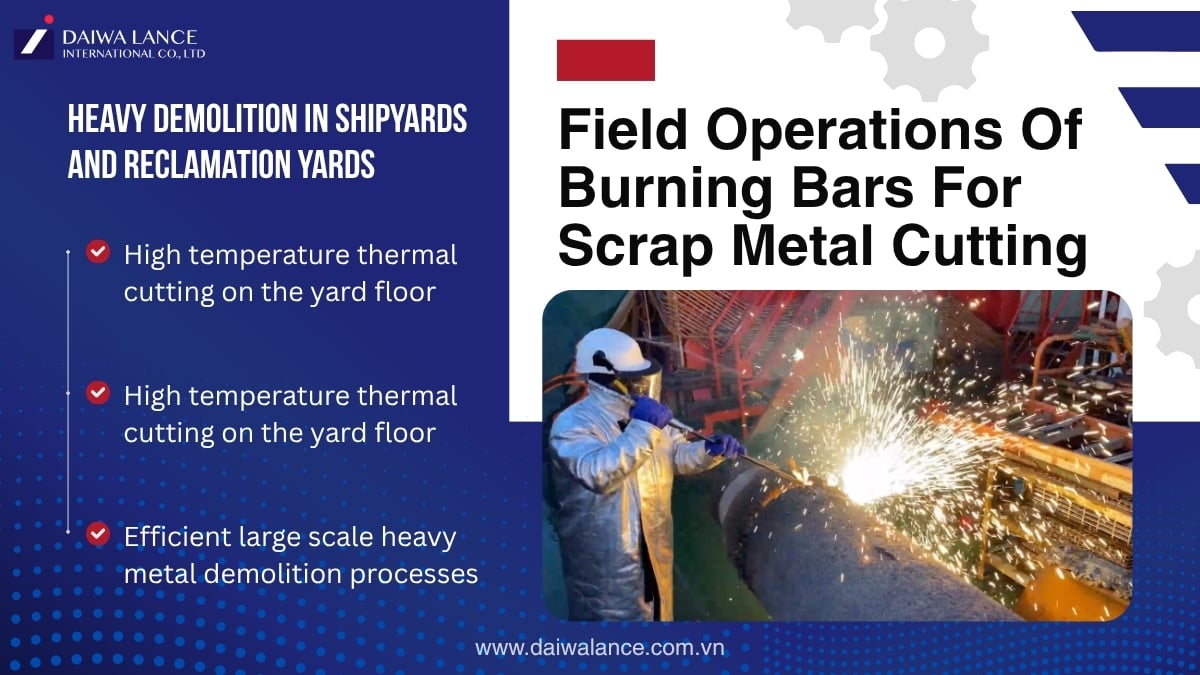
Processing High-Hardness and Stainless Steel Scrap
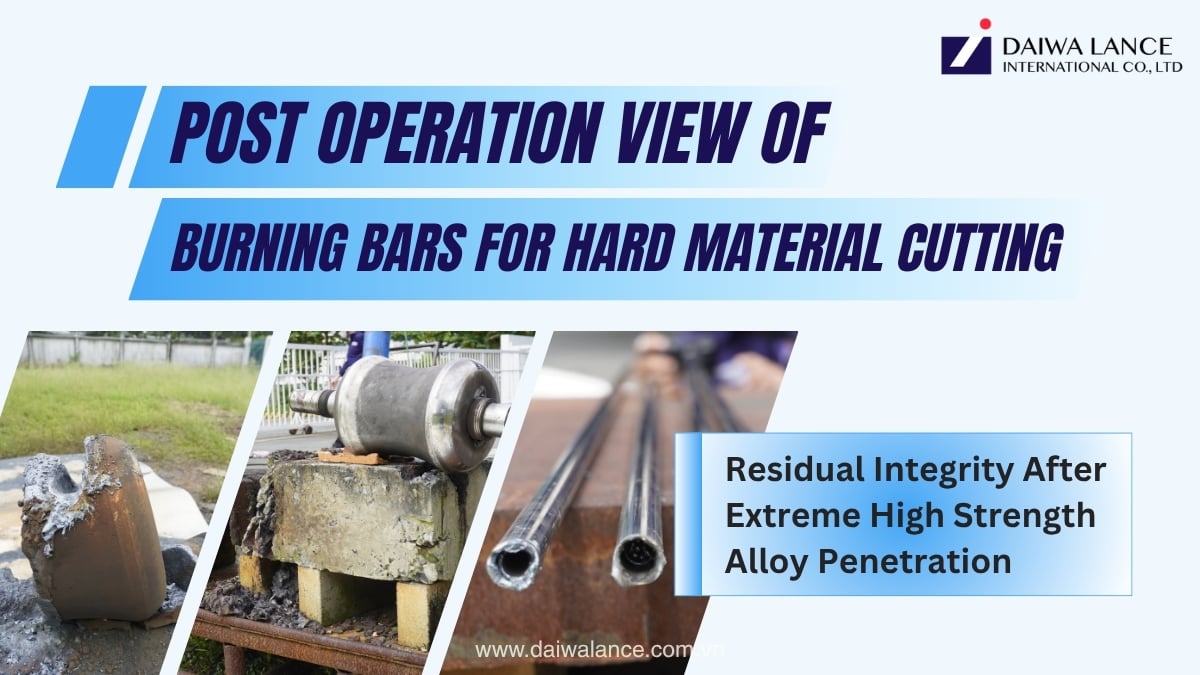
Standard oxy-fuel torches struggle on high-alloy metals because chromium and nickel form a high-melting-point refractory oxide layer that halts the cutting gas stream. The thermal output of the Daiwa Thermic Lance is high enough to liquefy these oxide layers, which makes it suitable for:
- Stainless steel size reduction – segmenting dense alloy blocks, thick casting gates, and stainless steel vessel walls into furnace-ready pieces.
- Thick plate segmenting – cutting heavy steel plate used in armor plating and structural foundations, turning unmanageable scrap into usable raw material for foundries.
Slag Management and Melting Efficiency
Metallurgical facilities also use lances to clear residual production buildup and preserve furnace interior volume. Over extended operating campaigns, cooled metal slag and chemical dross accumulate along furnace lips, ladle spouts, and casting channels; left in place, this debris alters molten metal flow and causes premature refractory failure.
Piercing these deposits with a burning bar clears solidified metal crusts without exposing the furnace brickwork to mechanical impact damage. Directing the oxidation reaction onto dense casting skulls also accelerates liquefaction when melting heavy steel scrap, so scrap flashing, furnace runouts, and casting defects can be recycled back into production.
Step-by-Step: Cutting Scrap with the Daiwa Thermic Lance
Stable, efficient cutting comes from a structured procedure: operators coordinate oxygen pressure and rod angle so the self-consuming reaction stays steady from ignition to the final cut.
Step 1 – Pre-Operational Line Inspection
Before opening any gas valves, confirm that the entire delivery assembly - high-pressure regulators, supply hoses, and the lance holder handle - is completely clean and free of oil or grease. Insert the Daiwa Thermic Lance firmly into the holder chuck, verifying that the internal gasket compresses tightly so high-pressure gas cannot leak backward past the operator's grip. Set the oxygen supply regulator to a stable operating pressure between 8 and 11 bar. Check hoses for cuts and loose fittings, and confirm the work area is clear of flammable material before pressurizing the line.
Step 2 – Igniting the Tip
Heat the working tip of the rod with an oxyacetylene torch until the steel is red hot. Holding the torch at roughly a 120-degree angle to the rod tip speeds up heating. Once the internal steel wires glow, slowly crack open the oxygen valve on the lance handle: the high-purity oxygen reacts with the red-hot steel and establishes a self-sustaining cutting flame in the 3,000–3,600°C range.
Step 3 – Executing the Cut
Bring the ignited tip directly against the designated starting edge of the scrap material. Maintain a 10 to 20-degree downward angle along your intended cut line; this slope forces liquid metal and molten slag to blow clear of the cut path, keeping the kerf clean and the workspace visible. Guide the rod forward smoothly as it consumes itself, keeping the high-temperature flame concentrated at the front edge of the melt zone. If the flame stalls, withdraw the rod slightly and re-establish the melt pool before advancing; forcing the rod against cold material can bend it.
Step 4 – Extending the Rod
As the consuming bar burns down near the holder handle, replace or extend it to protect the torch. Rods fitted with Threaded End (TD) or Quick Coupling (QC) connections can be locked onto the remaining tail section in seconds - without shutting down the gas lines completely - minimizing process downtime and eliminating stub-end waste across the yard.
Safety Parameters for Operating Burning Bars
Safe operation pairs correct field procedure with strict quality control on the consumable itself. Most serious incidents trace back to manufacturing defects, so verify these product factors before a lance ever reaches the cutting floor:
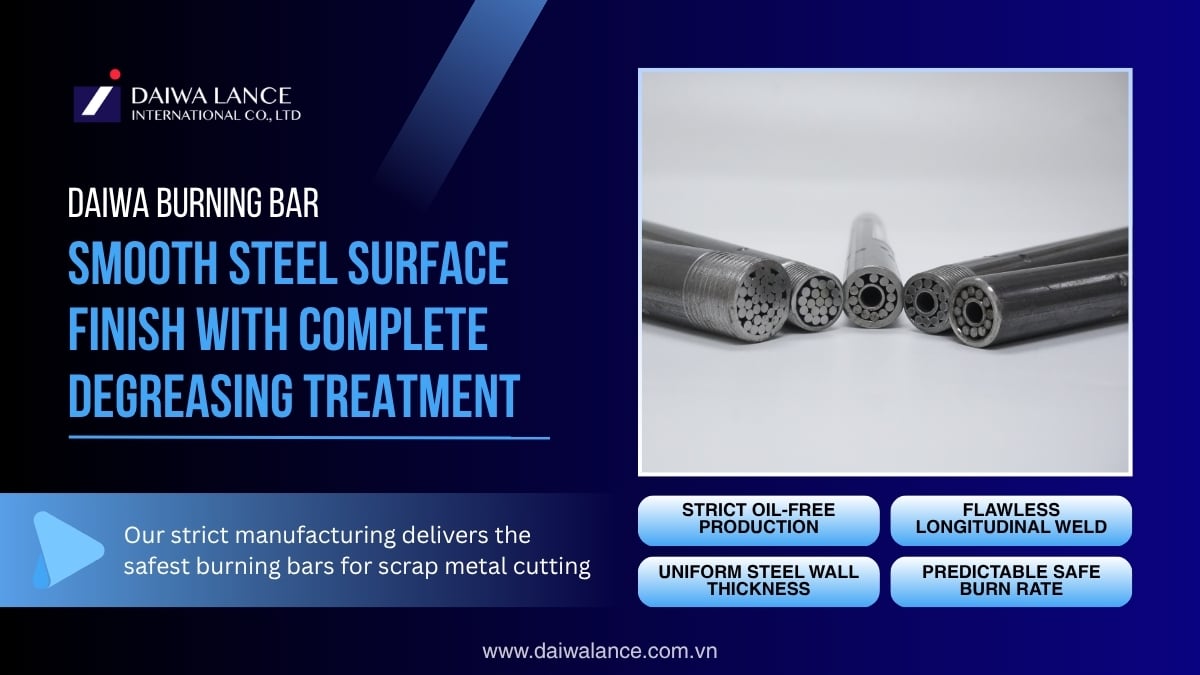
- Oil-free surfaces – residual manufacturing lubricants or grease inside the tube ignite spontaneously in high-purity oxygen and can trigger dangerous flashbacks toward the operator.
- Weld seam integrity – the longitudinal seam along the outer shell must be defect-free to withstand internal backpressure and mechanical stress without rupturing mid-operation.
- Uniform wall thickness and straightness – even walls and straight pipes give balanced pressure distribution and a predictable consumption rate, preventing lateral burn-through, bending, or breakage under load.
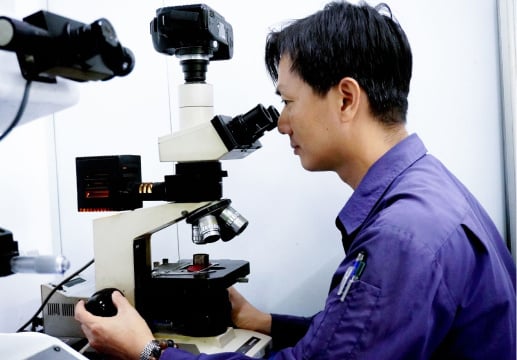
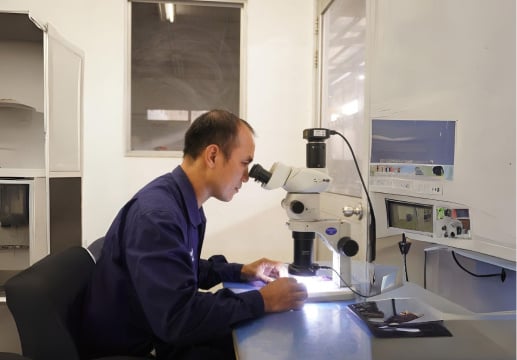
- Strict quality control – batch-level inspection under an ISO 9001 quality management system, tracking material from raw steel coil to finished packed lance.
- Certifications – ISO 9001, ISO 14001, and JIS compliance provide independent evidence of consistent, safe manufacturing.
On the floor, operators should wear full personal protective equipment - heat-resistant clothing, a face shield, and protective gloves - and ensure adequate ventilation. Keep oxygen pressure within the 8–11 bar range for stable combustion. Position other workers outside the spark and slag ejection zone, and agree a clear signal for shutting off oxygen flow.
Sourcing Reliable Consumables for Your Yard
Throughput in a high-volume recycling yard or steel foundry depends on predictable consumables. Cheap, uncertified lance pipes often cause uneven burn rates and seam splits, which translate into expensive operational delays and genuine safety risks.
Daiwa Thermic Lance is manufactured directly at Daiwa Lance International's factory in Vietnam—inheriting Japanese technology and using high-quality materials from Japan—and is sold to more than 52 export countries. Production is certified to ISO 9001 and ISO 14001 and complies with JIS standards, and the company exports to more than 52 countries. The minimum order quantity is 50 pipes, and free samples are available so cutting teams can verify burn rate and packing consistency before placing volume orders. Packing consistency between batches matters as much as certification on paper, so compare trial results against the mill test reports supplied with each shipment.
FAQ About Burning Bars for Scrap Metal Cutting
Why choose burning bars over hydraulic shears?
Hydraulic shears are limited by material thickness and hardness. The 3,000–3,600°C exothermic reaction of a burning bar segments oversized, multi-layered plates, corroded assemblies, and dense casting skulls right on the yard floor, with no fixed cutting station required.
How do burning bars help in shipbreaking?
Dismantling retired vessels means cutting thick reinforced hulls, bulkheads, and rusted keels that resist standard torches. Burning bars supply the heat needed to pierce these structures quickly, which shortens material sizing timelines in shipbreaking work carried out on shore.
Can burning bars cut high-alloy stainless steel scrap?
Yes. Standard oxy-fuel torches stall when chromium and nickel form a refractory oxide layer, but the higher thermal output of a burning bar liquefies that layer, enabling rapid size reduction of stainless blocks, casting gates, and vessel walls.
What safety factors are mandatory during operation?
Use consumables with uniform wall thickness, defect-free weld seams, and completely oil-free surfaces — residual lubricant inside the pipe can trigger spontaneous flashbacks in high-pressure oxygen. Wear full PPE and keep oxygen pressure between 8 and 11 bar.
How can yards secure a stable supply of burning bars?
Source ISO 9001- and ISO 14001-certified consumables directly from the manufacturer under a volume agreement: agreed monthly quantities, custom lengths where needed, and confirmed lead times. Test free samples first to validate burn rate under your yard's real conditions.
[H2] Next Steps
To specify burning bars for your yard or foundry, start with your cutting tasks and monthly volume:
- Request a Quote – https://www.daiwalance.com.vn/contact
- Download Catalogue – https://www.daiwalance.com.vn/catalogue
- Contact Us – https://www.daiwalance.com.vn/contact
Related Blogs & Pages
-
Daiwa Thermic Lance product page: https://www.daiwalance.com.vn/products/daiwa-thermic-lance
-
Catalogue page: https://www.daiwalance.com.vn/catalogue
-
Company overview – https://www.daiwalance.com.vn/company-overview
-
Thermic Lance glossary – https://www.daiwalance.com.vn/glossary/thermic-lance
-
Contact page: https://www.daiwalance.com.vn/contact
About Daiwa Lance
Established since 1997, Daiwa Lance has positioned ourselves as a pioneer in thermic cutting and oxygen lancing technology. Based in Ho Chi Minh City, Vietnam, we have been providing quality customer service and products with advanced Japanese technology.
We maintain the highest quality standards with ISO 9001:2015, ISO 14001:2015, and JIS G standards certifications. We have also expanded our reach globally, exporting to over 55 countries worldwide.
Visit us through our contact channels today: Email, WhatsApp, Contact Us form, or connect with us on Youtube, LinkedIn and Facebook.