Frequent stoppages to replace rapidly eroding mild steel lance pipes are one of the most common, and most avoidable, sources of lost productivity in Electric Arc Furnace (EAF) operations. The most direct way to reduce this downtime is to lower your calorized lance consumption by combining a heat-resistant pipe, such as Daiwa CA Lance, with disciplined operating practices. Daiwa CA Lance pairs a diffused aluminum-iron alloy layer with a refractory ceramic coating on both surfaces, allowing it to withstand temperatures up to 1,600°C and last 3 to 7 times longer than mild steel pipe. This article explains what drives lance wear and which operational strategies keep consumption under control.
The Cost of Melt Shop Downtime
Every unplanned stop in an EAF operation reduces productive furnace time and wastes energy. For melt shop managers, interrupting production to replace burned-out mild steel (MS) lance pipes is a recurring source of delay: untreated pipes oxidize and melt quickly under furnace heat, driving up consumable spending and disrupting injection efficiency.
Reducing Daiwa calorized lance consumption therefore has a double effect. Fewer pipe changes mean fewer interruptions to oxygen blowing and carbon or lime injection, and a more stable, more predictable melting cycle.
Understanding the Root Causes of Lance Wear
Lance wear in an EAF is driven by three main factors: severe thermal stress, chemical erosion from slag, and rapid oxidation under high-velocity oxygen flow. Untreated steel pipes effectively become fuel inside the furnace and burn away unpredictably.
By tracking how each lance segment degrades over successive heats, engineers can adjust feeding schedules before premature pipe failure interrupts the injection cycle.
Thermal and Chemical Degradation in EAF
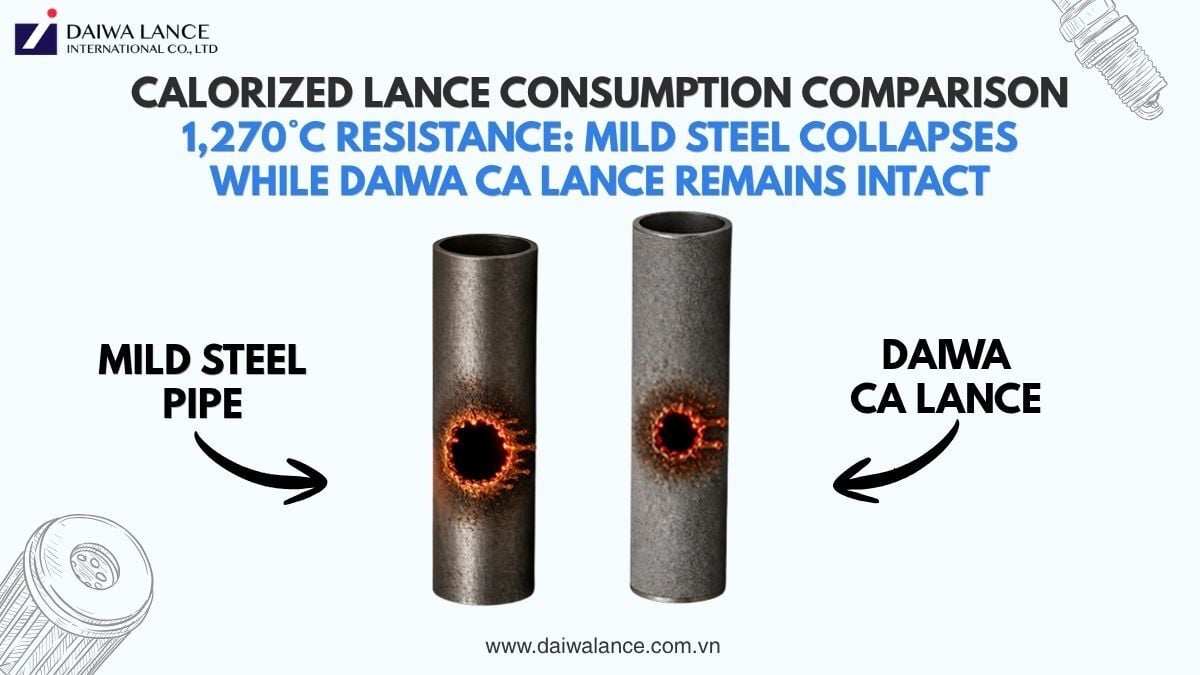
Ordinary steel cannot maintain its structural integrity in the aggressive environment of an EAF. In a documented comparison test, a standard mild steel pipe was destroyed after exposure to 1,270°C for 50 hours, while the Daiwa CA Lance remained intact under the same conditions.
This resistance comes from the three-layer construction of the Daiwa CA Lance: a mild steel base pipe for structural strength, a diffused aluminum-iron alloy (calorized) layer on both the inner and outer surfaces, and a refractory ceramic coating applied over the calorized layers. Together, these layers allow the pipe to withstand working temperatures up to 1,600°C.
How the Protective Alumina Layer Works
The heat resistance of a calorized pipe relies on the behavior of its diffused alloy layer. When the pipe enters the furnace, the aluminum-iron alloy reacts with heat and oxygen to form a tight, self-healing aluminum oxide (alumina) film with a melting point of 2,050°C.
This film slows the transfer of extreme temperatures to the mild steel core and seals it against oxidation, giving the lance a longer and more predictable service life.
Operational Strategies to Maximize Lance Lifespan
A low consumption rate comes from combining engineered materials with disciplined shop floor practice. Operators can extend Daiwa CA Lance service life by following three basic guidelines:
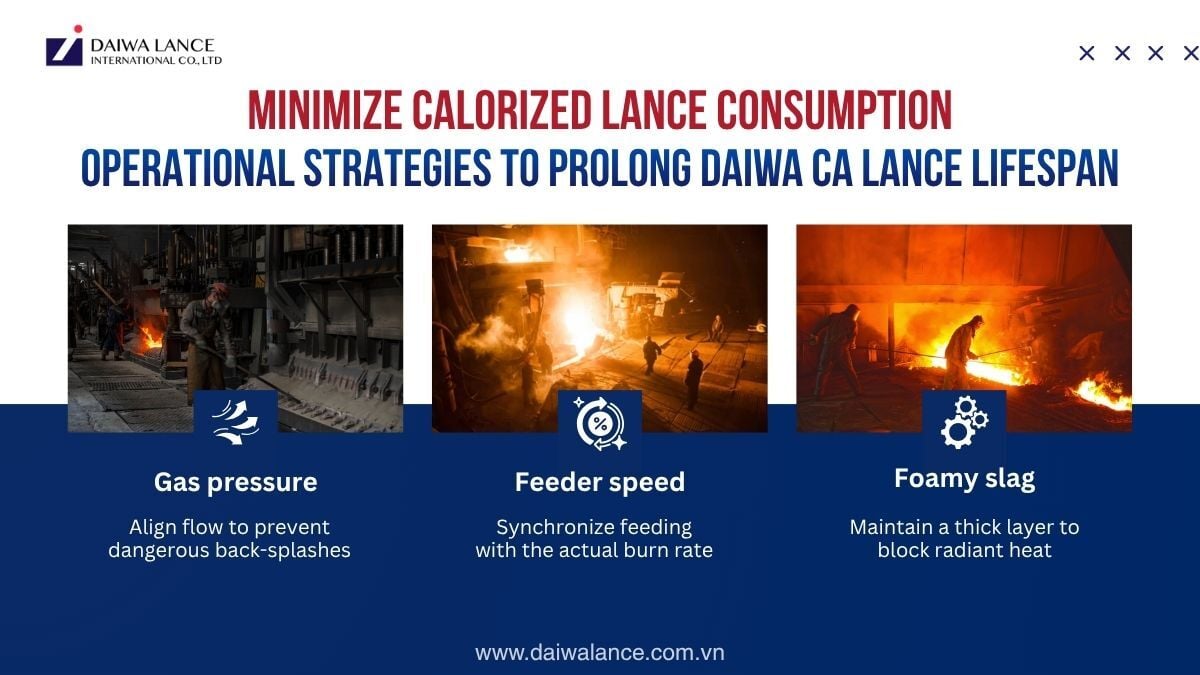
- Align gas pressure with bath resistance to prevent dangerous back-splashes.
- Maintain a steady, calculated pipe immersion angle.
- Synchronize automated feeder speed with the actual burn rate of the pipe.
Gas Injection and Slag Management Practices
Stable gas velocity is the most controllable factor in lance wear. A steady flow during oxygen blowing or carbon and lime powder injection cools the inner wall of the pipe and protects the internal ceramic lining from cracking.
Good foamy slag practice adds a second layer of protection. A thick blanket of foamed slag shields the lance assembly from the radiant heat of the electric arc, lowering the thermal load on the pipe and reducing overall Daiwa calorized lance consumption. Because consumption rates vary with operating conditions, each mill should benchmark its own figures.
Mechanical Handling and Automated Feeding
Rough handling can damage a coated pipe before it ever reaches the furnace. Training the furnace crew in careful transport and storage reduces breakage risk, because heavy impacts can chip the outer refractory ceramic coating.
For high-tonnage environments, larger diameters, supplied with wall thicknesses of up to 4.0 mm depending on pipe size, provide the rigidity needed to resist bending when scrap shifts during the melt.
The Financial Impact - Lowering Total Cost per Ton
Although a Daiwa CA Lance has a higher initial cost per pipe than standard MS pipe, it lasts 3 to 7 times longer, so the total spend on injection consumables per ton of liquid steel is typically lower. Longer pipe life also reduces procurement volumes and storage requirements.
Fewer pipe replacements mean fewer operator interventions at the furnace. That reduces downtime, keeps the crew away from the hottest zone for more of the shift, and supports a lower overall cost per ton.
Because consumption depends heavily on furnace conditions, Daiwa Lance recommends running a controlled trial with free samples to quantify the savings for your specific operation.
Safety and Quality Standards Behind Every Daiwa CA Lance
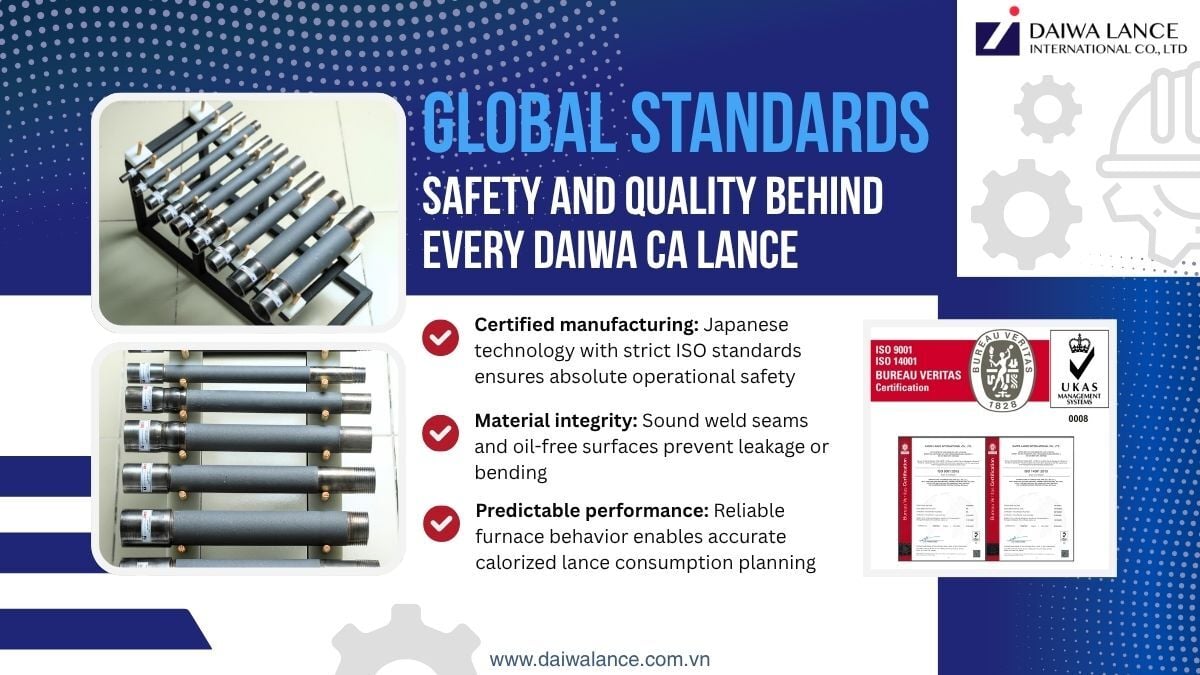
Lance pipe quality directly affects operator safety, which is why every production step is controlled. Daiwa Lance International manufactures Daiwa CA Lance at our factory in Vietnam, using steel pipe manufacturing technology inherited from Japan, and carefully selected steel raw materials. Key quality checkpoints include:
- Sound weld seams that prevent gas leakage or breakage during blowing.
- Clean, oil-free surfaces for safe use with oxygen.
- Uniform wall thickness and straight pipes that resist bending and sudden failure in operation.
- Strict quality control at every production stage under an ISO 9001-certified system.
- ISO 14001 environmental certification and JIS-standard manufacturing.
These controls are the reason the pipe behaves predictably inside the furnace, and predictable behavior is what makes consumption planning possible in the first place.
Achieve Stable Production with Daiwa CA Lance
Controlling consumable waste is central to a modern mill’s cost structure. Daiwa CA Lance combines a diffused aluminum-iron alloy layer and a refractory ceramic coating in a single heat-resistant pipe, reducing replacement frequency and improving operational uptime.
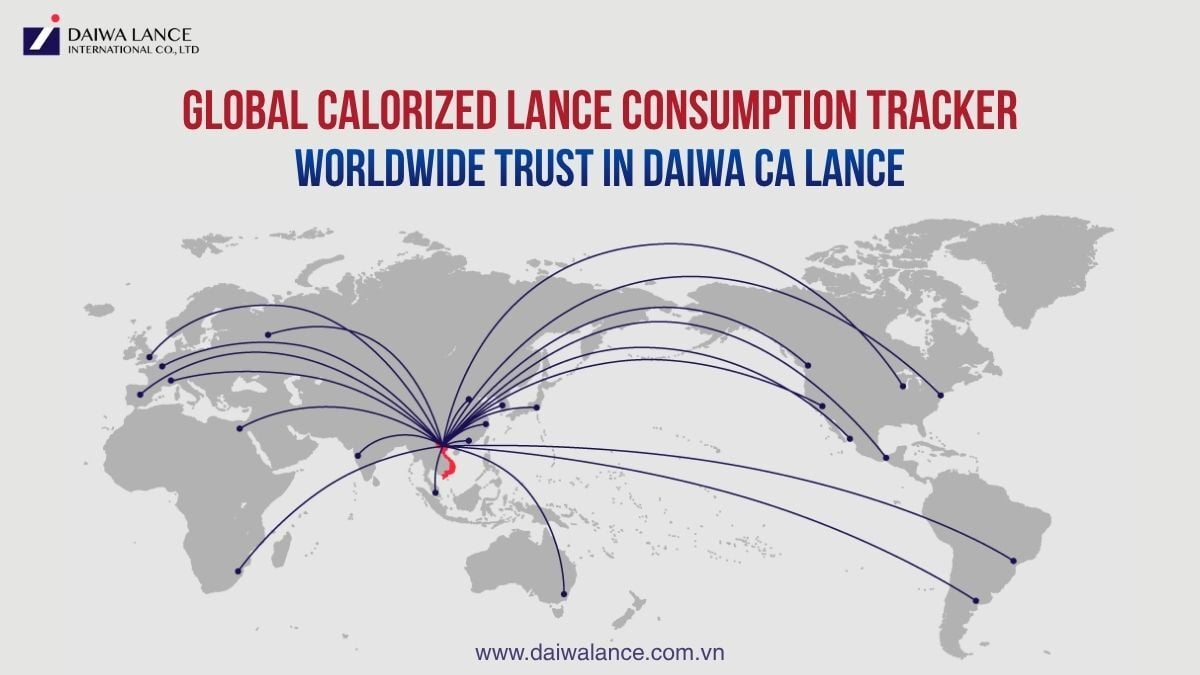
Daiwa CA Lance technology has been in industrial use since 1955, and Daiwa Lance International today supplies customers in more than 52 countries, with export documentation and shipment planning handled in-house. The minimum order quantity is 50 pipes, and free samples are available for furnace trials.
- Request a Quote: https://www.daiwalance.com.vn/contact
- Download Catalogue: https://www.daiwalance.com.vn/catalogue
- Contact Us: https://www.daiwalance.com.vn/contact
FAQ – Daiwa Calorized Lance Consumption
How do laboratory durability tests correlate with actual Daiwa calorized lance consumption?
Laboratory tests, such as the 1,270°C / 50-hour comparison against mild steel pipe, verify the stability of the calorized and ceramic layers. In EAF operation, this heat resistance translates into a service life 3 to 7 times longer than mild steel pipe, although the exact consumption rate depends on furnace conditions.
Which metrics should mills track to evaluate Daiwa CA Lance consumption?
The two most useful benchmarks are meters of pipe consumed per ton of liquid steel and total injection minutes achieved per pipe. Tracking both before and after switching pipe types gives a like-for-like measure of consumption improvement in your own furnace.
Does scrap type affect daily lance consumption rates?
Yes. Heavy, unshredded scrap requires more aggressive oxygen blowing and can shift unexpectedly during the melt, increasing the risk of impact damage to the lance. Adjusting feed speed and immersion angle to match the scrap mix helps keep consumption stable.
How does slag foaming lower overall lance wear?
A thick layer of foamed slag encapsulates the immersed section of the pipe and acts as an insulating blanket against the radiant heat of the electric arc. This shielding keeps the ceramic coating intact for longer and lowers overall consumption.
Can adjusting oxygen flow reduce Daiwa CA Lance oxidation loss?
Yes. A steady gas flow creates a cooling effect along the pipe’s inner wall and gives the protective alumina film stable conditions in which to form. This limits severe oxidation and prevents unnecessary lance consumption.
Related Blogs & Pages
- Daiwa CA Lance product page: https://www.daiwalance.com.vn/products/daiwa-ca-lance
- Catalogue page: https://www.daiwalance.com.vn/catalogue
- Contact page: https://www.daiwalance.com.vn/contact
- What Is a Calorized Lance Pipe? Guide for Industrial Buyers: https://www.daiwalance.com.vn/blog/what-is-a-calorized-lance-pipe-uses-structure-and-how-it-works
- Understand All About Daiwa Calorized Lance Pipes in 5 Minutes: https://www.daiwalance.com.vn/blog/understand-all-about-calorized-lance-pipes-in-5-minutes
- Quick Consumption of Calorized Lance Pipe – How to Solve It?: https://www.daiwalance.com.vn/blog/quick-consumption-of-calorized-lance-pipe-how-to-solve-it
- What is the long-term benefit of adopting Calorized Lance Pipe in the production line?: https://www.daiwalance.com.vn/blog/what-is-the-long-term-benefit-of-adopting-calorized-lance-pipe-in-the-production-line
About Daiwa Lance
Established since 1997, Daiwa Lance has positioned ourselves as a pioneer in thermic cutting and oxygen lancing technology. Based in Ho Chi Minh City, Vietnam, we have been providing quality customer service and products with advanced Japanese technology.
We maintain the highest quality standards with ISO 9001:2015, ISO 14001:2015, and JIS G standards certifications. We have also expanded our reach globally, exporting to over 55 countries worldwide.
Visit us through our contact channels today: Email, WhatsApp, Contact Us form, or connect with us on Youtube, LinkedIn and Facebook.